
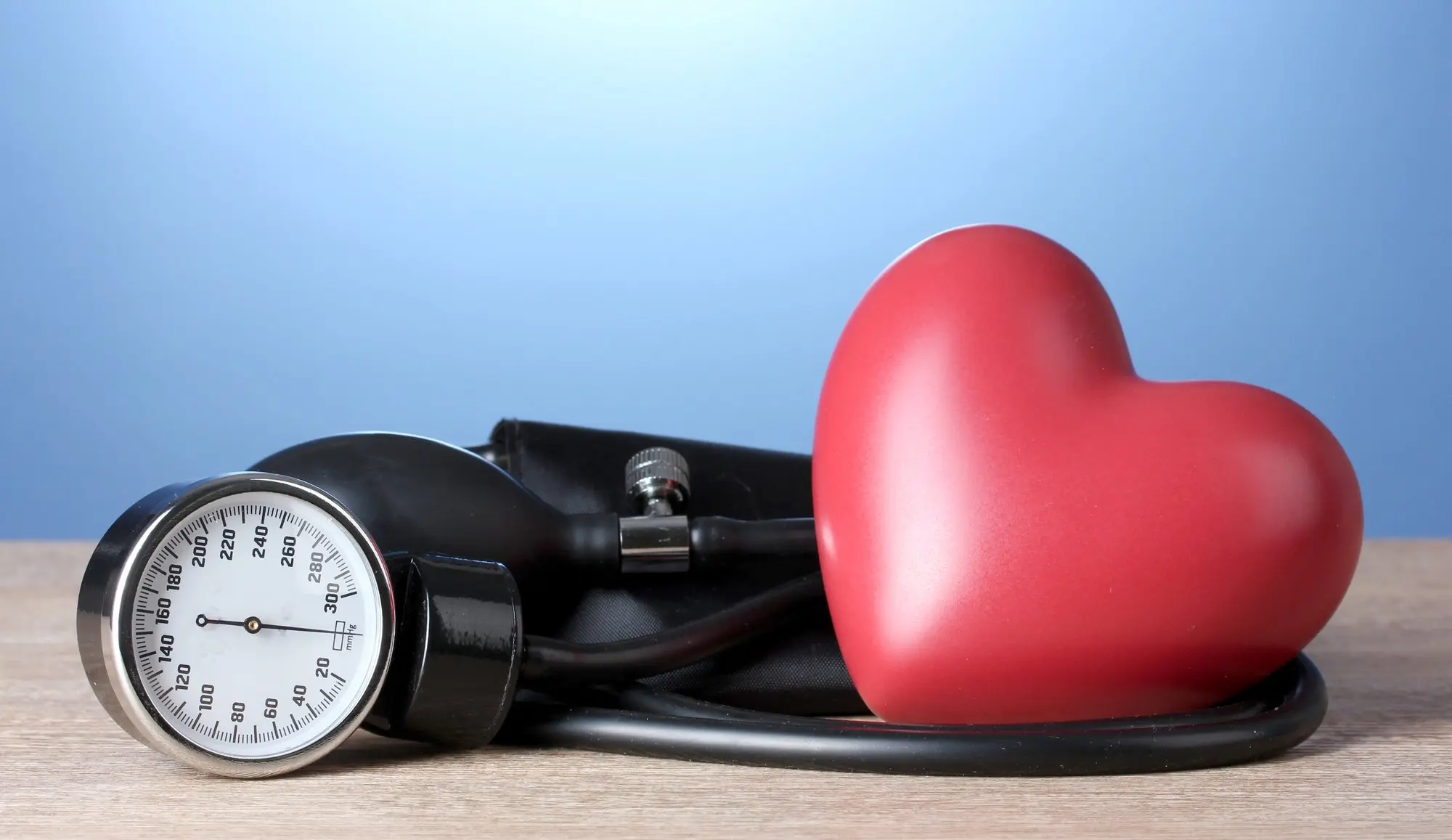

High blood pressure, also known as hypertension, is one of the most common cardiovascular conditions worldwide. It often develops without noticeable symptoms, earning the nickname “the silent killer.” If left untreated, high blood pressure can increase the risk of heart disease, stroke, kidney disease, and other serious health complications.
The good news is that hypertension can often be prevented and effectively managed through healthy lifestyle choices and appropriate medical care. Understanding its causes, symptoms, and treatment options is the first step toward protecting your heart and overall health.
What Is High Blood Pressure?
Blood pressure is the force of blood pushing against the walls of your arteries as your heart pumps. It is measured using two numbers:
- Systolic pressure: The pressure when the heart beats.
- Diastolic pressure: The pressure when the heart rests between beats.
When blood pressure remains consistently higher than normal, it is considered hypertension. Persistent high blood pressure forces the heart to work harder, which can damage blood vessels and vital organs over time.
Common Causes of High Blood Pressure
High blood pressure often develops gradually due to a combination of lifestyle and genetic factors.
Unhealthy Diet
A diet high in sodium, processed foods, and saturated fats can contribute to increased blood pressure.
Lack of Physical Activity
Regular exercise helps maintain healthy blood vessels and supports normal blood pressure. A sedentary lifestyle increases the risk of hypertension.
Obesity
Excess body weight places additional strain on the heart and circulatory system, making high blood pressure more likely.
Smoking and Excessive Alcohol Consumption
Smoking damages blood vessels, while excessive alcohol intake can raise blood pressure over time.
Chronic Stress
Long-term stress may contribute to unhealthy habits such as overeating, smoking, and excessive alcohol consumption, all of which increase the risk of hypertension.
Family History and Age
The likelihood of developing high blood pressure increases with age and may also be influenced by genetics.
Symptoms of High Blood Pressure
Most people with high blood pressure experience no obvious symptoms. This is why routine blood pressure checks are so important.
In severe cases, symptoms may include:
- Persistent headaches
- Dizziness
- Blurred vision
- Chest pain
- Shortness of breath
- Nosebleeds
- Fatigue
These symptoms often appear only when blood pressure has reached dangerously high levels.
Health Risks of Untreated Hypertension
Without proper management, high blood pressure can lead to serious complications, including:
- Heart attack
- Stroke
- Heart failure
- Kidney disease
- Vision loss
- Peripheral artery disease
- Cognitive decline
Early diagnosis and treatment significantly reduce these risks.
How to Manage High Blood Pressure
Follow a Heart-Healthy Diet
Choose foods that support cardiovascular health, including:
- Fruits
- Vegetables
- Whole grains
- Lean proteins
- Low-fat dairy products
- Nuts and seeds
Reduce your intake of salt, processed foods, sugary beverages, and foods high in saturated fats.
Exercise Regularly
Aim for at least 150 minutes of moderate-intensity physical activity each week. Walking, cycling, swimming, and dancing are excellent options that help strengthen the heart and improve circulation.
Maintain a Healthy Weight
Losing excess weight can significantly lower blood pressure and reduce the risk of related health conditions.
Quit Smoking
Stopping smoking improves blood vessel function and lowers the risk of heart disease and stroke.
Limit Alcohol Intake
If you drink alcohol, do so in moderation. Excessive alcohol consumption can raise blood pressure and reduce the effectiveness of certain medications.
Take Prescribed Medications
Some individuals require blood pressure medications to maintain healthy levels. Always take medications exactly as prescribed and never stop them without consulting your healthcare provider.
Monitoring Your Blood Pressure
Regular blood pressure monitoring helps detect changes early and ensures your treatment plan is working effectively.
Home blood pressure monitors can provide valuable information between healthcare visits. Keep a record of your readings and share them with your healthcare provider during appointments.
When to Seek Medical Attention
Contact a healthcare professional if:
- Your blood pressure remains consistently high.
- You experience frequent headaches or dizziness.
- Your prescribed treatment is not controlling your blood pressure.
- You develop chest pain or shortness of breath.
Seek emergency medical care immediately if you experience symptoms of a hypertensive crisis, such as severe chest pain, confusion, difficulty breathing, or sudden vision changes.
Conclusion
High blood pressure is a serious condition that often develops without warning, but it is highly manageable with the right approach. Eating a nutritious diet, staying physically active, maintaining a healthy weight, avoiding tobacco, and following your healthcare provider’s recommendations can help keep your blood pressure under control.
Routine health screenings and early intervention are essential for preventing complications. By taking proactive steps today, you can protect your heart, improve your overall health, and reduce your risk of life-threatening cardiovascular diseases.
