
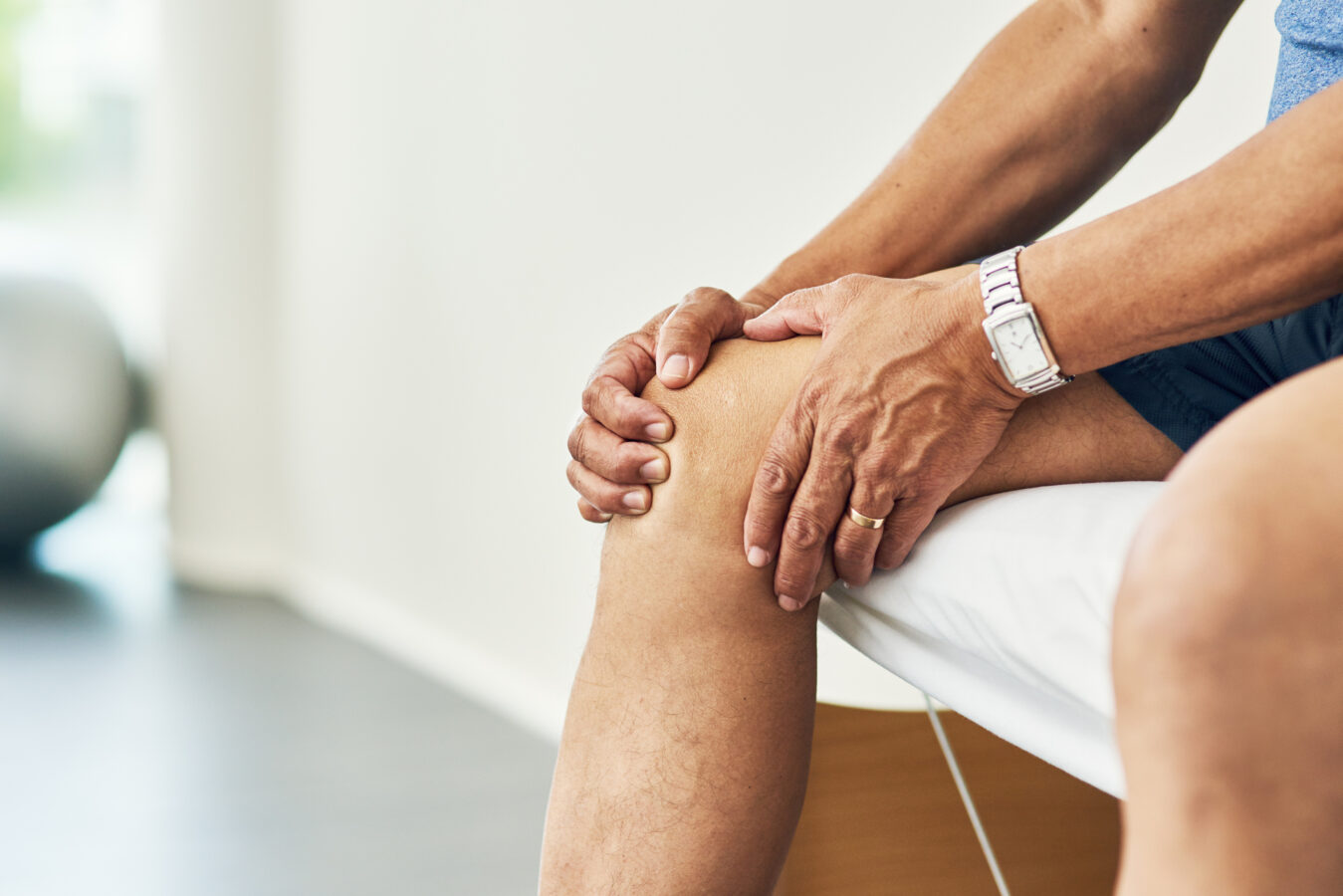

Knee pain can occur in active individuals, especially those who regularly participate in sports, exercise, or physically demanding activities. Understanding the underlying causes of pain can help individuals recognize early symptoms and seek appropriate treatment to protect their joint health. Here are some of the common causes of knee pain in active individuals:
Overuse Injuries
Overuse injuries develop from repeated motion over time. Running, cycling, and jumping load the knee thousands of times per session, and the tissues need time to recover. When training volume increases faster than the body adapts, stress builds up in the joint and may lead to knee pain. Runner’s knee causes discomfort around or behind the kneecap, and it often worsens when a person climbs stairs or sits for long periods. The IT band runs along the outside of the thigh, and it attaches just below the knee. Repeated bending and straightening create friction at the outer knee, which produces a sharp or burning sensation.
Ligament and Meniscus Injuries
Ligaments and the meniscus provide stability and cushioning inside the knee. These structures handle sudden forces, but they have limits. Injuries often occur when an athlete twists, pivots, or lands awkwardly. The following sections describe how each injury happens and what a specialist looks for during an exam.
Ligament Tears
The anterior cruciate ligament (ACL) controls forward movement and rotation, and it often tears during sudden stops or changes in direction. Some people report a popping sound when the injury occurs. Swelling usually follows within hours, and the knee feels unstable because the torn ligament no longer holds the bones firmly in place.
Meniscus Tears
The meniscus is a C-shaped piece of cartilage that is between the thighbone and shinbone. Each knee has two menisci, and they absorb shock during walking, running, and jumping. A tear often results from a forceful twist while the foot stays planted. Some people experience catching, locking, or stiffness, but others feel knee pain only when they squat or rotate the knee.
Tendonitis and Knee Inflammation
Inflammatory conditions affect the soft tissues around the knee joint. Tendons connect muscle to bone, and bursae are small fluid-filled sacs that reduce friction. When these tissues become irritated, they produce localized knee pain and swelling. The following conditions often appear in active adults:
- Patellar tendonitis: Also called jumper’s knee, this condition affects the tendon below the kneecap.
- Quadriceps tendonitis: Irritation of the tendon above the kneecap causes pain at the front of the knee during squatting or kicking.
- Knee bursitis: Inflammation of a bursa causes visible swelling and often follows frequent kneeling or a direct blow.
- Inflammatory arthritis: Conditions such as rheumatoid arthritis affect the joint lining, which produces stiffness and swelling, often in both knees.
Joint Wear and Degeneration
Osteoarthritis is a degenerative knee condition that causes knee pain. The smooth cartilage covering the ends of the bones gradually thins, and the bones lose part of their cushioning. Stiffness usually appears in the morning or after rest, and it often eases with movement, although discomfort returns after prolonged activity.
Specialists track degenerative changes through physical exams and X-rays. Some patients manage symptoms with exercise, weight management, and injections. Others reach a point where these methods no longer provide adequate relief. When walking or climbing stairs becomes difficult, a specialist discusses surgical options, including partial or total knee replacement.
Schedule Your Knee Pain Consultation
Knee pain in active individuals comes from several sources. Overuse injuries, ligament and meniscus tears, inflammatory conditions, and joint wear affect the knee differently, and each requires a specific evaluation. When symptoms persist despite rest or nonsurgical treatment, a detailed assessment can identify the structure involved. Contact a qualified orthopedic surgeon near you to schedule your knee pain consultation today.
