
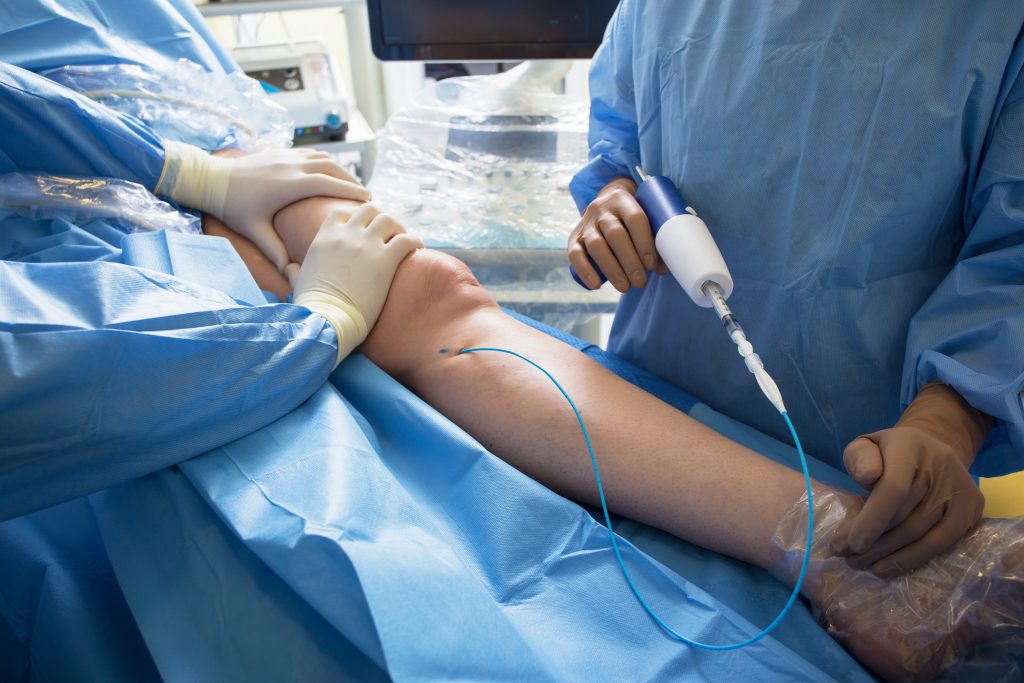

Varicose veins form when weak valves let blood pool, and these enlarged growths look twisted, bulging, and blue or dark purple. Some people notice only cosmetic changes, but others feel aching, heaviness, cramping, or itching. Here are some steps to focus on managing these physical symptoms in daily life:
Making Lifestyle Changes
Daily habits affect the pressure inside your leg veins. Extra body weight adds strain, and long periods of standing slow blood flow. If your job keeps you on your feet, shift your weight or walk around every 30 minutes. These habits help reduce the appearance of varicose veins and support healthier circulation:
- Walk, swim, or cycle for 30 minutes.
- Flex your ankles and calves during long flights or car rides.
- Eat high-fiber foods to prevent constipation and straining.
- Limit salt to reduce fluid retention and swelling.
- Stay at a healthy weight for your height and build.
Wearing Compression Socks
Compression socks apply steady pressure to your legs, which aims to help your veins move blood upward. The pressure is strongest at the ankle, and it gradually decreases toward the knee or thigh. This design may ease swelling and leg fatigue.
Manufacturers measure compression in millimeters of mercury (mmHg). Over-the-counter socks offer limited strength, while prescription socks are stronger. Your doctor can recommend the right level, and a fitter can measure your legs for proper sizing.
Put the socks on in the morning, and take them off before bed. Your legs may have the least swelling early in the day. If the socks pinch, roll down, or leave deep marks, ask about a different size or style.
Preventing Leg Ulcers
Varicose veins raise pressure in your lower legs, and this pressure may damage nearby skin over time. The skin around your ankles may darken, thicken, or feel itchy. These changes may raise your risk of venous ulcers, which are open sores that heal slowly. Protect your skin with these daily steps:
- Moisturize your lower legs daily with a fragrance-free lotion.
- Check your ankles and feet each day for cuts, color changes, or sores.
- Pat your skin dry after bathing instead of rubbing it.
- Avoid scratching itchy or flaky patches.
Clean any scrape right away with mild soap and water. Minor injuries heal slowly on legs with poor circulation, so watch them closely. Call your doctor if a sore leaks fluid or shows no improvement after two weeks.
Elevating Your Legs
Elevation uses gravity to move blood out of your lower legs. When you lie down, prop your legs on pillows above the level of your heart. Stay in this position for about 15 minutes, and breathe slowly to relax your muscles. A foam wedge typically makes the position easier to hold.
Since swelling builds up during the day, raise your legs three or four times daily. Crossing your legs at the knee also restricts blood flow. Sit with both feet flat on the floor, or rest them on a low stool.
Get Treatment for Varicose Veins
Home care helps you manage symptoms, but it does not remove existing varicose veins. If pain, swelling, or skin changes continue, schedule an exam with a vein specialist. An ultrasound shows how blood flows through your leg veins. Your provider may then discuss options such as sclerotherapy, laser therapy, or radiofrequency ablation.
