
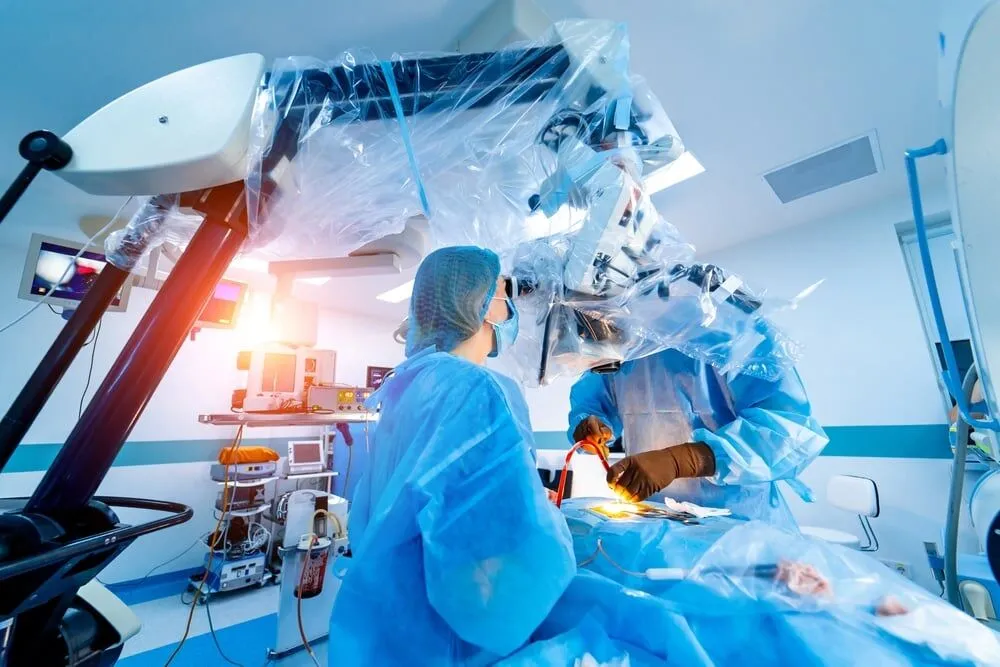

Robotic spine surgery uses computer-guided systems to assist surgeons during spinal procedures. A surgeon plans the operation on a screen, and the robotic arm follows that plan with mechanical accuracy. Since the technology maps your anatomy before any incision, your surgical team works from a detailed guide. Here are some of the advantages of this surgical approach:
Steady Guidance
The robotic arm holds a fixed position during placement, and it resists small hand tremors that occur in any procedure. This stability matters when a surgeon works near nerves. Since the system locks onto a planned path, the instruments follow that route closely. Your surgeon stays in control while performing robotic spine surgery.
Robotic guidance supports the placement of screws and other hardware. A surgeon reviews the plan first, and then the arm aligns to each target point. As every angle is set in advance, the team follows a clear reference. This structure reduces guesswork during long operations.
Three-dimensional Imaging
Three-dimensional imaging gives surgeons a full view of your spine. Since the images show depth, the team sees structures that flat X-rays miss. The scans build a model from many angles, and the surgeon rotates that model to study each vertebra. This detail informs the surgical plan. These imaging tools support several tasks during planning:
- Mapping the exact size and shape of each vertebra
- Locating nerves and blood vessels near the surgical site
- Setting the position and angle of hardware in advance
The model stays available throughout the procedure. A surgeon references it while working, and the robot aligns to the same coordinates. Since the imaging and the robotic arm share one map, the team follows a consistent guide. This link keeps the plan and the action together.
Advanced Precision
Precision shapes the outcome of many spinal procedures. The system measures distances in millimeters, and it flags any deviation from the plan. Since screws sit near the spinal cord, tight placement tolerances help protect nearby structures. Surgeons rely on these measurements to guide their hands.
The planning software lets the team map hardware positions before surgery begins. A surgeon can adjust angles on the screen, and the robot updates the path in response. Since the plan is set early, the operating time may follow a steadier rhythm. You benefit from a process built on careful preparation.
Your care team explains how these factors apply to your situation. Every spine is different, and outcomes depend on your health and diagnosis. You can ask questions at each appointment. Since your surgeon reviews your case closely, you receive guidance based on your needs.
Reduced Tissue Disruption
Many robotic procedures use small incisions rather than large openings. The surgeon reaches the spine through narrow paths, and the tools move along the planned route. Since the openings stay small, the surrounding muscle faces less disturbance. This approach fits many minimally invasive techniques. Smaller incisions affect several parts of recovery:
- Less blood loss during the procedure
- Smaller scars at the incision sites
- Shorter hospital stays in many cases
Schedule Robotic Spine Surgery
These tools support surgeons during complex procedures, and they help reduce tissue disruption in many cases. As each spine differs, a consultation gives you clear information about your options. Call a spine clinic to schedule a consultation, and bring your questions with you. A surgeon will review your imaging and explain the next steps.
