
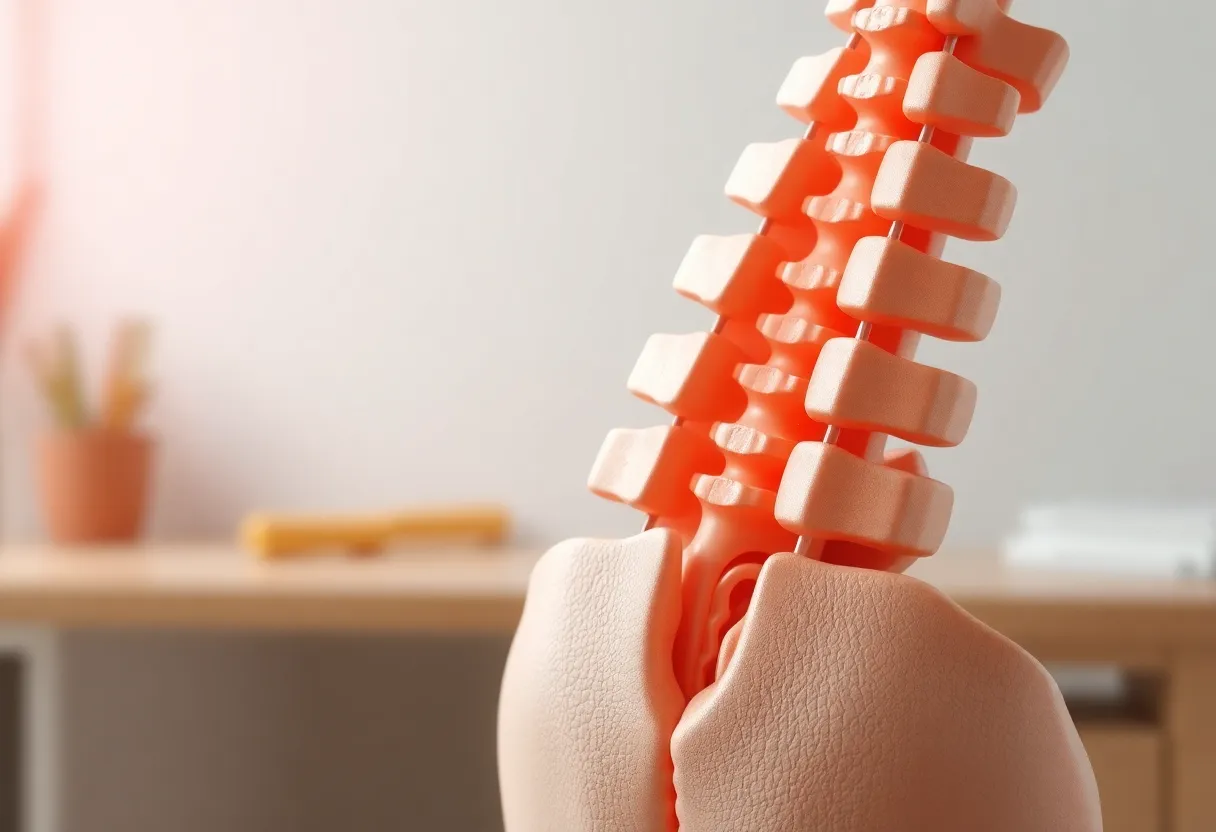

Between vertebrae are intervertebral discs; these serve as cushions that absorb shock and allow the back to bend, flex, and twist. When one of these discs becomes damaged, routine activities may become more difficult. A herniated disc is a common spinal condition among adults. Learning what symptoms it may produce and which treatment options are available helps individuals make informed decisions about their care.
What Is a Herniated Disc?
Each intervertebral disc has two main parts. The outer layer is a durable ring of fibrous tissue, and the inner portion has a soft, gel-like texture. A herniated disc occurs when a tear or weak area in the outer ring allows some of the inner material to push outward. Several factors may contribute to the development of a herniated disc, including:
- Age-related wear
- Repetitive lifting, bending, or twisting, particularly with improper form
- Sudden strain or injury, such as a fall or a motor vehicle accident
- Excess body weight
- Prolonged sitting
Herniation is most common in the lumbar spine and the cervical spine.
What Are the Symptoms?
Symptoms vary depending on the location of the affected disc and whether the displaced material presses on a nearby nerve. Some individuals with a herniated disc experience no symptoms at all, and the condition is discovered only during imaging for an unrelated concern. Others notice symptoms that develop gradually or appear suddenly after a specific movement. There are a range of commonly reported symptoms, including:
- Pain in the lower back or neck that may increase with certain movements
- Back pain that travels into the buttocks, legs, or feet
- Neck pain that extends into the shoulders, arms, or hands
- Numbness or tingling in the areas served by the affected nerve
- Muscle weakness that can affect the ability to grip objects, lift items, or walk steadily
In rare cases, a herniated disc may compress the bundle of nerves at the base of the spinal cord and cause loss of bladder or bowel control and numbness in the inner thighs. These signs warrant prompt evaluation by a medical professional.
How Is One Treated?
Diagnosis typically begins with a review of medical history and a physical examination. Treatment plans are tailored to each individual, and they often start with conservative approaches. A provider may recommend modifying activities that aggravate symptoms, while still encouraging a patient to stay as active as possible. When conservative methods do not provide adequate relief, interventional pain management procedures can be recommended. Epidural steroid injections deliver anti-inflammatory medication near the irritated nerve, and selective nerve root blocks may help identify and address the specific source of pain.
Seek Pain Management Services
Certain daily habits help support spinal health and reduce strain on the discs. Strengthening the core muscles, lifting objects with the legs rather than the back, and taking regular breaks from prolonged sitting are practical steps many people can adopt. Pain management specialists focus on identifying the source of discomfort; they are able to coordinate care that may include medication management and interventional procedures. If back or neck pain, numbness, or weakness persists for more than a few weeks or interferes with daily activities, contact a pain management provider to request an evaluation and discuss a treatment plan.
