
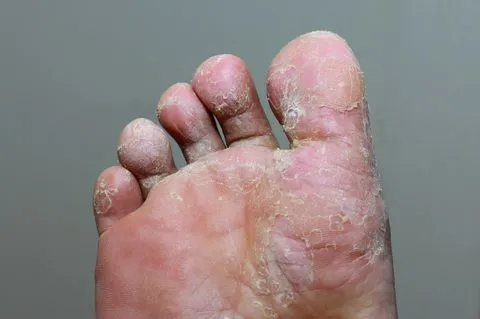

Foot fungus is a condition triggered by fungi that thrive in warm, moist environments. It can affect the skin between the toes, the soles of the feet, or the toenails, and athlete’s foot and toenail fungus are among the most common types. Daily habits play a fundamental role in lowering your risk. Here are some practical prevention tips and professional treatment options a provider may discuss if an infection develops:
Maintain Daily Foot Hygiene
Proper hygiene is key to preventing foot fungus. Wash your feet daily with soap and warm water, and pay close attention to the spaces between your toes, where fungi may collect more easily. A quick rinse is rarely thorough enough to address these tight areas, sometimes leaving behind moisture and debris that contribute to fungal growth.
After washing, dry your feet completely using a clean towel. Work the towel gently between each toe, and if you share a bathroom, keep a separate towel designated for your feet. This can limit the transfer of fungi from one surface to another. Trim toenails straight across and keep them short. You may also clean your nail clippers after each use to avoid cross-contamination.
Select Appropriate Footwear
The footwear you choose directly shapes the environment around your feet, and the wrong shoes create conditions where fungi multiply quickly. Tight, non-breathable materials may trap heat and sweat. Choosing shoes made from canvas or mesh allows for better airflow throughout the day. Rotate your shoes regularly, as wearing the same pair daily leaves little time for the interior to dry. Letting each pair air out for at least 24 hours between uses can keep moisture levels lower.
Managing Moisture and Public Exposure
Moisture management and awareness of shared spaces work together as a two-part strategy for reducing fungal risk. Keep your feet dry from morning to night with these targeted habits:
- Wear moisture-wicking socks
- Change your socks at least once daily, or more frequently if your feet perspire heavily
- Apply antifungal powder or spray inside your shoes and directly on your feet
- Remove damp shoes promptly after exercise or time outdoors
- Go barefoot at home when practical, allowing your skin to air out naturally
Shared public surfaces present a separate but equally significant risk. Locker rooms, pool decks, and communal showers stay warm and wet for extended periods, making them environments where fungi transfer easily. Wear shower sandals or flip-flops in these spaces, and avoid sharing shoes or towels with others, including household members. If someone in your home develops foot fungus, disinfect shared floors and shower surfaces regularly.
Pursuing Professional Treatment
Attentive daily habits reduce risk significantly, yet foot fungus may still develop despite your efforts. Schedule an appointment with a podiatrist if you notice the following symptoms:
- Peeling
- Cracking
- Redness
- Thick, discolored toenails
A provider will examine the affected area; they may also collect a small skin or nail sample to identify the specific type of fungus present. For mild-to-moderate infections, providers sometimes recommend prescription-strength topical medications. This may include antifungal creams, gels, solutions, or medicated nail lacquers such as ciclopirox or efinaconazole. More persistent infections, particularly those affecting the toenails, sometimes require oral antifungal medications. Terbinafine and itraconazole are two prescribed oral options, and treatment courses typically span several weeks to months. Some providers combine topical and oral approaches or recommend in-office procedures such as nail debridement for more advanced cases.
Treat and Prevent Foot Fungus
Clean feet, breathable footwear, and protective sandals in public spaces help create an effective prevention routine. If symptoms arise, a qualified provider can prescribe topical and oral treatments. Build these habits into your daily routine now, and schedule an appointment with a podiatrist or dermatologist if you notice any changes in your skin or nails.
