
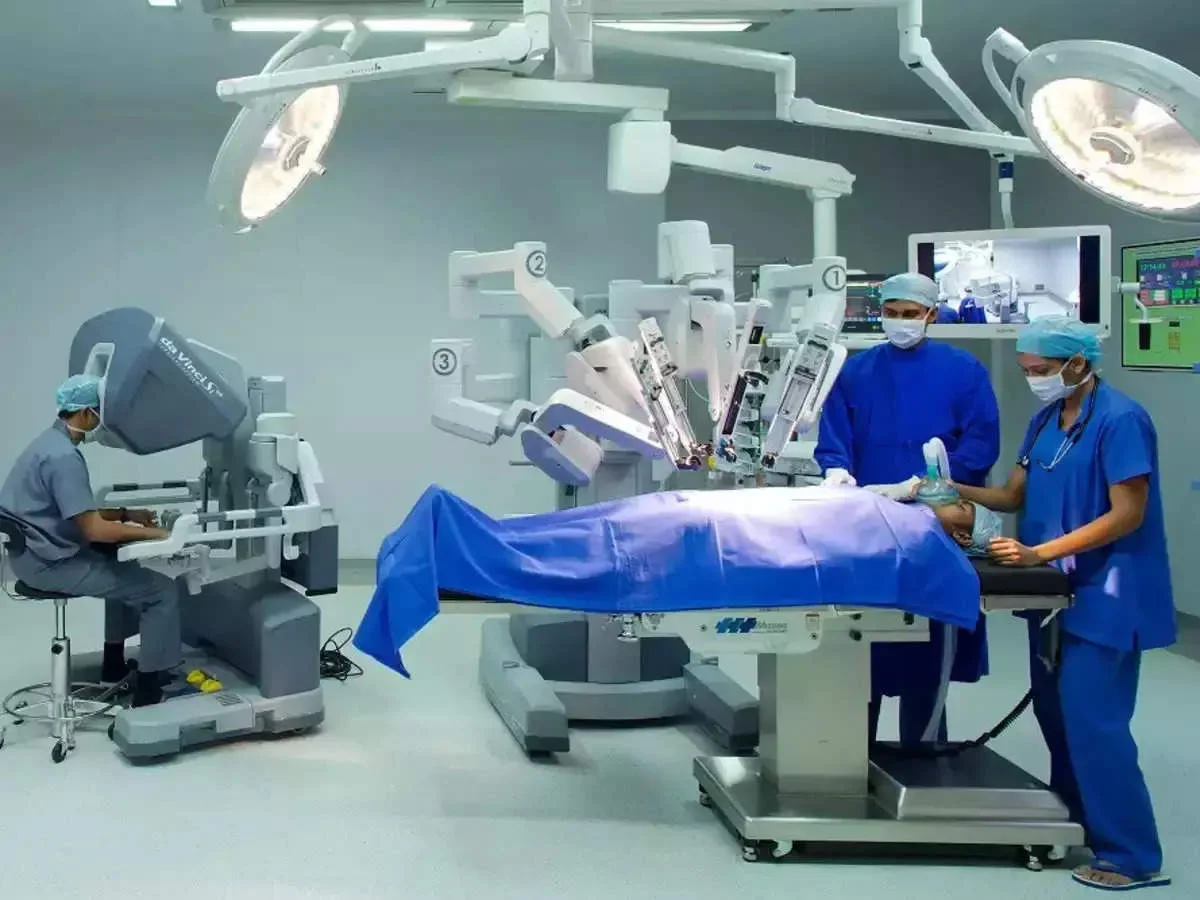

In urological care, robotic surgery lets surgeons perform complex procedures with greater precision and control. Specialized instruments and high-definition, three-dimensional imaging support minimally invasive approaches that help reduce blood loss and recovery time. Robotic-assisted surgery helps preserve surrounding healthy tissue, and patients may benefit from smaller incisions. Here are some benefits of robotic surgery in urological treatments:
Smaller Incisions
Open urological surgery often requires one long incision. For a radical prostatectomy, that incision may run several inches from the navel toward the pubic bone. Robotic procedures work differently. The surgeon makes several small openings, usually millimeters in length, and inserts thin instruments and a camera through them. Carbon dioxide gas gently expands the abdomen; this gives the surgeon room to work and a clear view of the organs.
Smaller incisions often result in less visible scarring, and they help reduce the risk of wound complications, including infection and incisional hernias. Because robotic surgery is minimally invasive, patients may also experience less postoperative pain and blood loss than with open surgery. These benefits support a smoother recovery so patients return to daily activities sooner.
Reduced Tissue Trauma
Minimally invasive techniques are designed to cause less damage to surrounding tissues during surgery. Because the instruments enter through small ports, surgeons do not need to pull back large sections of muscle and skin to reach organs deep in the pelvis or abdomen. The prostate, bladder, and kidneys sit close to nerves, blood vessels, and other organs, so this matters in urology.
Robotic instruments have wrist-like joints that bend and rotate beyond the human hand’s natural range. This reduces small hand tremors, and it scales the surgeon’s movements into smaller, more precise motions. A high-definition view helps the surgeon see fine structures, including nerve bundles that affect urinary control and sexual function.
Robotic prostatectomy may involve less blood loss and lower transfusion rates than open surgery. Because minimally invasive techniques cause less disruption to surrounding tissue, patients often experience less pain in the days after the procedure. Recovery varies by procedure and individual, but some patients may resume normal activities sooner.
Faster Recovery Times
Hospital stays after robotic urological surgery are often shorter. Many patients who have a robotic prostatectomy go home within one to two days, while a stay of several days is more common after open surgery. Recovery at home tends to follow a similar pattern. Some people return to light daily activities within a few weeks, but lifting restrictions usually last longer. A urinary catheter is commonly needed after prostate or bladder procedures. Your timeline will depend on your overall health, the type of procedure, and how your body heals.
Learn More About Robotic Surgery
Robotic surgery is one of several methods urologists use to treat conditions of the prostate, kidneys, bladder, and urinary tract. Its features, including small incisions and precise instruments, support shorter hospital stays and less blood loss. The right choice depends on your diagnosis and health history. Contact a urology clinic today to schedule a consultation and learn more about robotic surgery.
