
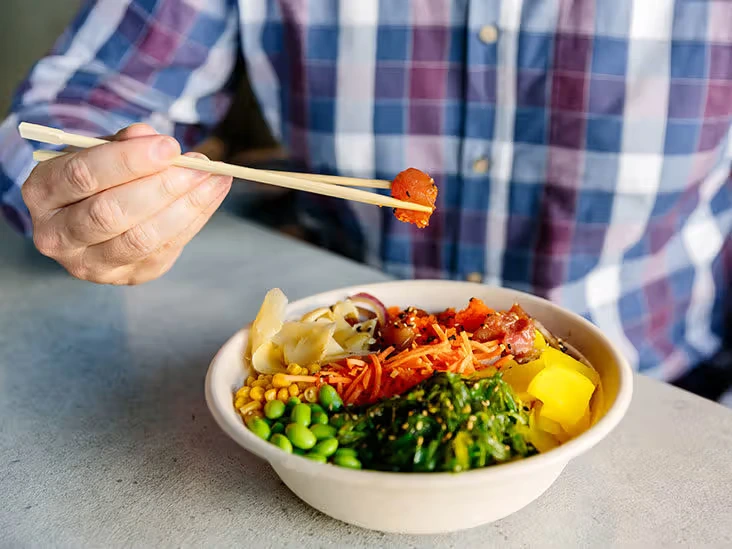

The gallbladder is a small organ located beneath the liver that stores and concentrates bile, a digestive fluid the liver produces to help break down fats. When you eat a fatty meal, the gallbladder releases bile into the small intestine to help digest it. Gallbladder removal, known as a cholecystectomy, may become necessary when gallstones, inflammation, or infection cause recurring pain or other complications. Because the liver continues producing bile after surgery, people can live without a gallbladder, but digestion takes time to adjust. Here’s information on gallbladder removal and how to adjust your diet after surgery:
Be Prepared for Dietary Adjustments
After a cholecystectomy, bile flows directly from the liver into the small intestine instead of being stored in the gallbladder. This change affects how your body handles certain foods, particularly during the first few weeks of recovery. Right after a gallbladder removal surgery, you will be on a clear liquids diet for a few days after your procedure. When you are cleared to add more foods, start with bland, low-fiber, lactose-free options, but avoid:
- Soda
- Juice
- Coffee
Start with smaller, lower-fat meals, as large, high-fat meals are harder to digest without a stored supply of bile. Many surgeons recommend eating smaller portions throughout the day rather than three large meals. Choosing lean proteins, like poultry, fish, or legumes, can help limit fat intake. You should also avoid fried foods, fatty cuts of meat, full-fat dairy products, and heavily processed snacks during early recovery.
Adding foods back into your diet slowly lets you see how your body responds. Some people notice discomfort after eating spicy dishes, caffeine, or large amounts of high-fiber foods. Fiber supports regular digestion, but adding too much at once may cause gas or cramping. Keeping a food journal may help you identify which foods trigger digestive symptoms.
Be Prepared for Surgical Recovery
Surgeons perform gallbladder removal using one of two main approaches, and the surgical technique used influences the length of your hospital stay and your overall recovery timeline. Laparoscopic cholecystectomy is a minimally invasive procedure. This is where the surgeon makes several small incisions in the abdomen and inserts a camera and specialized instruments to remove the gallbladder. Because the incisions are small, patients typically experience less tissue disruption than traditional surgery. Many people return home the same day, and they often return to normal activities in about one to two weeks, depending on the individual.
Open cholecystectomy involves a single, larger incision in the upper right abdomen. Surgeons still choose this approach when inflammation, scar tissue, or other complications make a laparoscopic procedure difficult. In some cases, a surgeon begins laparoscopically and converts to an open procedure during the operation. Open surgery requires a longer hospital stay of several days. Full recovery may take four to six weeks, and patients need to avoid lifting heavy objects during that period.
Be Prepared for Digestive Changes
Without the gallbladder regulating its release, bile enters the intestine in a steadier flow. This adjustment leads to temporary symptoms such as bloating, gas, or loose stools. These symptoms often ease over several weeks as the body adapts. A small number of people experience ongoing symptoms, sometimes called post-cholecystectomy syndrome, with persistent symptoms like:
- Abdominal Pain
- Indigestion
- Diarrhea
Tracking when your symptoms occur can provide useful information for your follow-up appointments. If symptoms continue or worsen, your doctor may recommend long-term dietary changes or other treatments.
Prepare for Gallbladder Removal
To make your recovery more manageable, ask your surgeon about your recovery timeline. Before your procedure, ask your general surgeon which surgical approach they recommend and why. Your surgeon can advise when to return to work and exercise, and what dietary changes to follow. Discuss your options with a general surgeon today to get personalized advice. You can also stock your kitchen with low-fat foods before surgery can simplify meal planning during recovery.
