
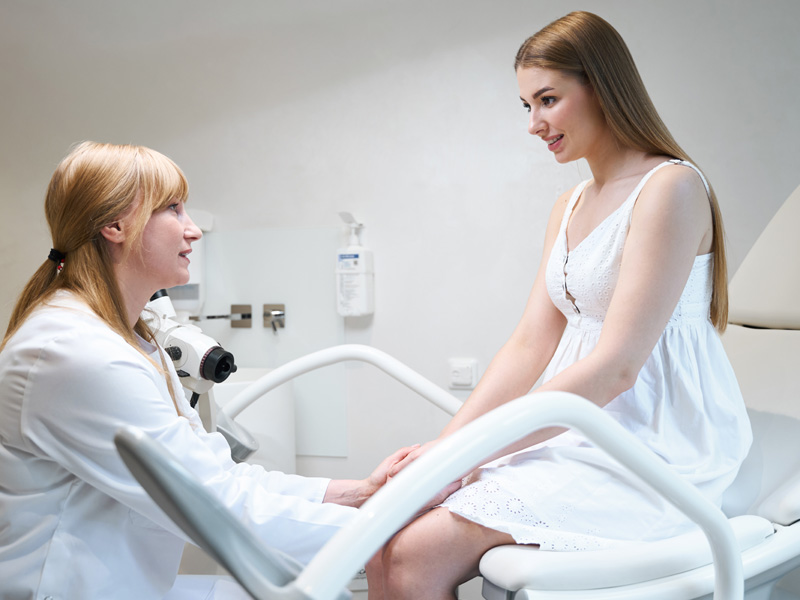

An OBGYN specializes in two closely related fields: obstetrics, which focuses on pregnancy, childbirth, and postpartum care, and gynecology, which addresses the broader female reproductive system. A single physician trained in both areas manages a wide range of reproductive health concerns, and patients can see the same provider across different life stages. Here is more information on what an OBGYN does and what a first visit typically includes:
What Is OBGYN?
OBGYN stands for obstetrics and gynecology. These two closely related medical specialties focus on female reproductive health; together they cover a broad spectrum of care. Obstetrics covers pregnancy, childbirth, and postpartum care, while gynecology addresses the reproductive system more broadly. A physician trained in both fields can manage everything from routine checkups to complex reproductive concerns. Patients may see the same OBGYN through different life stages, which allows for continuity of care over time.
What Services Do They Offer?
OBGYNs provide a wide range of care that extends beyond pregnancy support. Their services typically include:
- Routine screenings such as pelvic exams, Pap smears, breast exams, and sexually transmitted disease testing
- Diagnosis and management of conditions such as endometriosis and irregular menstrual cycles
- Guidance on contraception, fertility planning, and menopause management
The scope of services varies by practice, so confirm what a specific provider offers before scheduling an appointment.
What Do First Visits Involve?
A first OBGYN visit typically begins with a conversation rather than a physical exam. The provider may ask about menstrual history, sexual activity, family medical history, and any current symptoms, which helps establish an understanding of the patient’s health background. This discussion determines which screenings are relevant, and it allows the doctor to tailor the appointment to the patient’s specific needs. Younger patients, particularly teenagers attending their first appointment, may not require a pelvic exam during this initial visit.
For patients who do require a physical exam, the process usually includes checking blood pressure, weight, and general vital signs. A breast exam and possibly a pelvic exam may follow. The doctor may explain each step beforehand so that patients feel informed throughout the process. Patients can ask questions throughout the process, and bringing a prepared list of questions or symptoms in advance helps make the visit more productive.
How Are First Visits Beneficial?
The first appointment establishes a health baseline that future visits can build upon. Once a provider understands a patient’s history and current health status, they can catch changes or irregularities more quickly during later checkups. This early detection supports more accurate ongoing care, and patients benefit from discussing sensitive topics such as sexual health or family planning.
First visits also serve a preventive function; screenings performed during these appointments can detect conditions before they cause noticeable symptoms. Cervical abnormalities and infections are among the conditions that may be identified early. Because care is established from the outset, patients are potentially more likely to receive timely recommendations for vaccines, contraception, or lifestyle adjustments that support long-term reproductive health.
Know What To Expect
A first OBGYN visit centers on conversation, education, and, when appropriate, a physical exam; knowing what happens beforehand helps patients walk in prepared. From discussing medical history to understanding which screenings apply to your age, each part of the visit serves a purpose. If you have an upcoming appointment, write down your questions and any symptoms you are experiencing. Bring your family medical history, and ask your provider to explain any part of the exam you don’t understand.
