
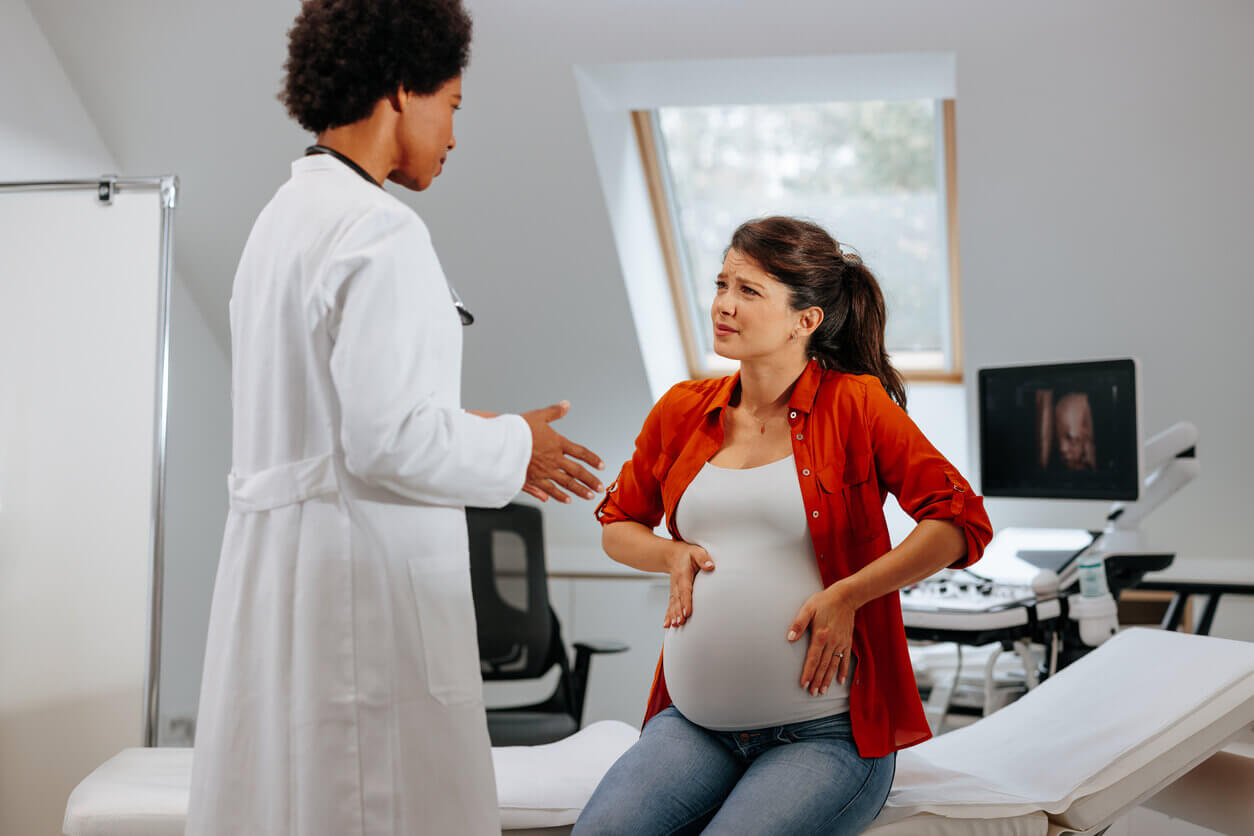

Gynecological health is an essential part of a woman’s overall well-being. From adolescence through menopause and beyond, regular gynecological care helps prevent diseases, detect health concerns early, and support reproductive health. Despite its importance, many women delay routine checkups due to busy schedules, fear, or lack of awareness.
Understanding the basics of gynecological care can help women make informed decisions about their health and maintain a better quality of life.
What Is Gynecology?
Gynecology is the branch of medicine that focuses on the health of the female reproductive system, including the uterus, ovaries, fallopian tubes, cervix, vagina, and breasts. Gynecologists diagnose, treat, and help prevent a wide range of conditions affecting women’s reproductive health.
Routine visits to a gynecologist are important even if you are not experiencing symptoms, as many conditions develop without obvious warning signs.
Why Regular Gynecological Checkups Matter
Regular gynecological examinations help identify potential health issues before they become serious. Early diagnosis often leads to more effective treatment and better health outcomes.
Routine checkups can help:
- Detect cervical cancer early
- Monitor reproductive health
- Screen for sexually transmitted infections (STIs)
- Diagnose menstrual disorders
- Identify ovarian cysts or uterine fibroids
- Support healthy pregnancies
- Manage menopause-related symptoms
Healthcare providers generally recommend annual gynecological exams, although the frequency may vary depending on age and medical history.
Common Gynecological Conditions
Menstrual Disorders
Irregular, heavy, or painful periods may indicate underlying conditions such as hormonal imbalances, polycystic ovary syndrome (PCOS), or uterine fibroids.
Polycystic Ovary Syndrome (PCOS)
PCOS is a common hormonal disorder that may cause irregular periods, acne, excessive hair growth, weight gain, and fertility challenges.
Early diagnosis helps reduce the risk of long-term complications such as diabetes and heart disease.
Uterine Fibroids
Fibroids are noncancerous growths that develop in the uterus. They may cause heavy menstrual bleeding, pelvic pain, or pressure, although some women experience no symptoms.
Endometriosis
Endometriosis occurs when tissue similar to the uterine lining grows outside the uterus. It can cause severe menstrual pain, pelvic discomfort, and fertility problems.
Essential Preventive Screenings
Preventive healthcare plays a vital role in maintaining reproductive health.
Pap Smear
A Pap smear screens for abnormal cervical cells that could develop into cervical cancer if left untreated.
Pelvic Examination
A pelvic exam allows your healthcare provider to assess the health of your reproductive organs and identify any abnormalities.
Breast Examination
Regular breast examinations help detect lumps or changes that may require further evaluation.
STI Screening
Sexually transmitted infection screening is recommended based on age, lifestyle, and individual risk factors.
Healthy Habits for Better Reproductive Health
Simple lifestyle choices can significantly improve gynecological health.
Eat a Nutritious Diet
A balanced diet supports hormonal balance and overall reproductive health.
Include foods rich in:
- Fruits
- Vegetables
- Whole grains
- Lean proteins
- Healthy fats
- Calcium-rich foods
Stay Physically Active
Regular exercise helps maintain a healthy weight, supports hormone regulation, and reduces the risk of chronic diseases.
Aim for at least 150 minutes of moderate physical activity each week.
Practice Good Personal Hygiene
Maintaining proper intimate hygiene helps reduce the risk of infections. Avoid using harsh soaps or heavily scented products that may disrupt the natural balance of the vaginal environment.
Manage Stress
Chronic stress may affect hormone levels and menstrual cycles. Relaxation techniques, meditation, and adequate sleep can improve both mental and reproductive health.
When to See a Gynecologist
Schedule an appointment if you experience:
- Severe pelvic pain
- Irregular or missed periods
- Heavy menstrual bleeding
- Unusual vaginal discharge
- Persistent itching or irritation
- Pain during intercourse
- Difficulty becoming pregnant
- Bleeding after menopause
Prompt evaluation can help identify the cause and prevent complications.
Pregnancy and Preventive Care
Women planning a pregnancy should schedule a preconception visit to discuss nutrition, vaccinations, lifestyle habits, and any existing medical conditions. Early prenatal care is essential for monitoring both maternal and fetal health throughout pregnancy.
Conclusion
Regular gynecological care is an important part of maintaining lifelong health. Routine checkups, preventive screenings, healthy lifestyle habits, and early treatment of reproductive health concerns can reduce the risk of serious medical conditions and improve overall well-being.
By staying informed and prioritizing preventive care, women can take an active role in protecting their reproductive health at every stage of life. If you notice unusual symptoms or have concerns about your health, consult a qualified healthcare provider for personalized guidance and timely care.
