
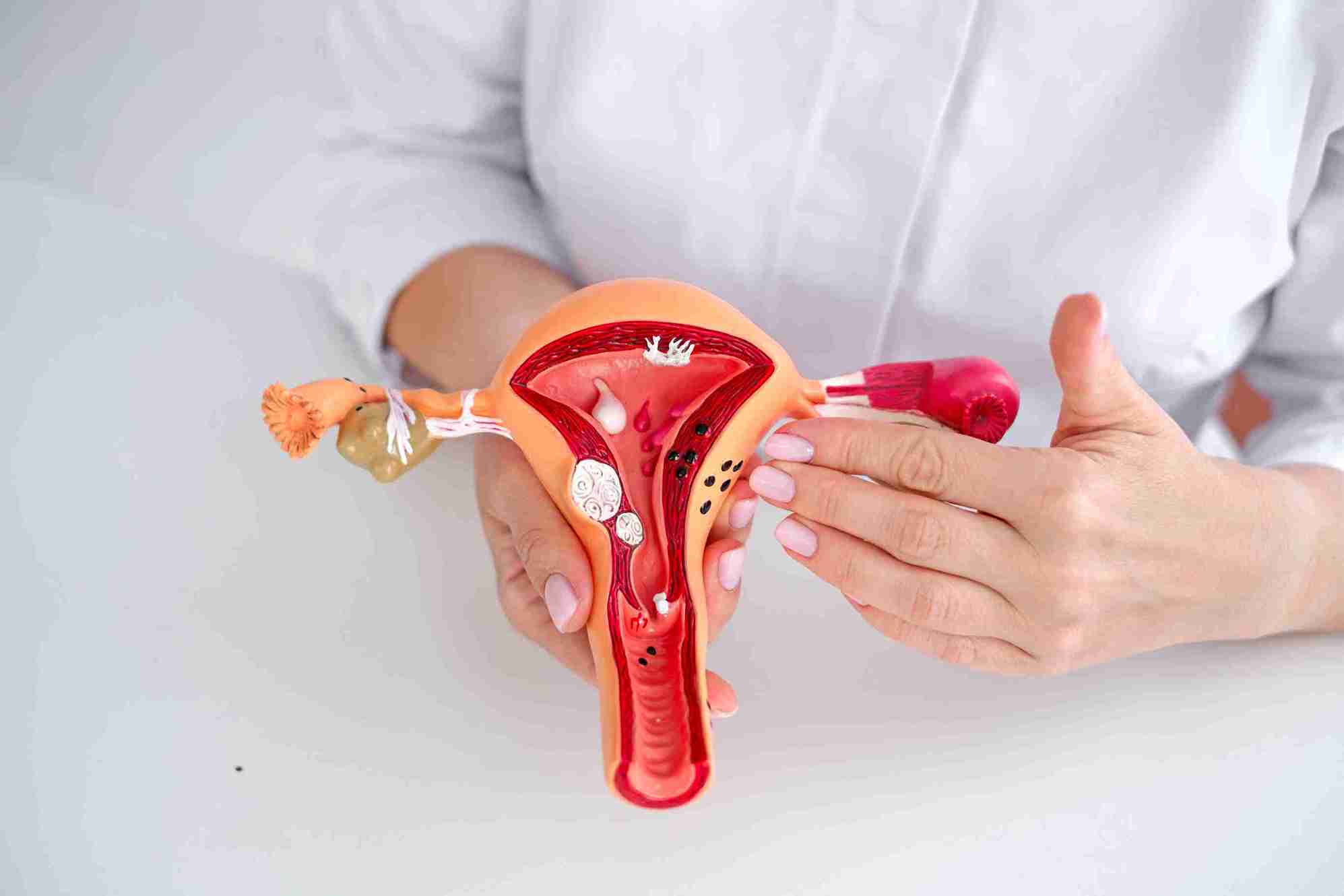

Menstrual health is an important aspect of a woman’s overall well-being. A regular menstrual cycle is often a sign of good reproductive health, while changes in the cycle may indicate underlying medical conditions that require attention. Understanding how the menstrual cycle works, recognizing common menstrual problems, and adopting healthy lifestyle habits can help women manage their periods with confidence and improve their quality of life.
Whether you are a teenager experiencing your first period or an adult managing menstrual changes, prioritizing menstrual health is essential for long-term wellness.
What Is the Menstrual Cycle?
The menstrual cycle is a monthly hormonal process that prepares the body for pregnancy. It begins on the first day of a menstrual period and ends the day before the next period starts. While the average cycle lasts about 28 days, a normal cycle can range from 21 to 35 days.
The menstrual cycle consists of four phases:
Menstrual Phase
During this phase, the uterus sheds its lining through menstrual bleeding. Most periods last between three and seven days.
Follicular Phase
Hormones stimulate the ovaries to develop follicles, one of which will mature into an egg.
Ovulation
Ovulation usually occurs around the middle of the menstrual cycle. During this stage, the ovary releases a mature egg, making pregnancy possible if fertilization occurs.
Luteal Phase
After ovulation, the body prepares for a possible pregnancy. If fertilization does not occur, hormone levels decrease, leading to the next menstrual period.
Common Menstrual Problems
Many women experience menstrual concerns at some point in their lives. While some symptoms are normal, others may require medical evaluation.
Irregular Periods
Irregular menstrual cycles may result from stress, hormonal changes, polycystic ovary syndrome (PCOS), thyroid disorders, excessive exercise, or significant weight changes.
Painful Periods
Menstrual cramps, also known as dysmenorrhea, are common. Mild discomfort is normal, but severe pain that interferes with daily activities should be evaluated by a healthcare provider.
Heavy Menstrual Bleeding
Excessive bleeding or periods lasting longer than seven days may indicate conditions such as fibroids, hormonal imbalances, or bleeding disorders.
Premenstrual Syndrome (PMS)
PMS can cause symptoms including:
- Mood swings
- Fatigue
- Bloating
- Breast tenderness
- Food cravings
- Headaches
- Irritability
Symptoms typically improve once menstruation begins.
Tips for Maintaining Healthy Menstrual Health
Eat a Balanced Diet
A nutritious diet supports hormone balance and overall reproductive health.
Include foods rich in:
- Iron
- Calcium
- Magnesium
- Vitamin D
- Fruits
- Vegetables
- Whole grains
- Lean proteins
Women who experience heavy menstrual bleeding should consume iron-rich foods to help prevent anemia.
Stay Physically Active
Regular exercise helps regulate hormones, improve circulation, reduce menstrual cramps, and enhance mood. Activities such as walking, yoga, swimming, and cycling are excellent choices.
Stay Hydrated
Drinking enough water may reduce bloating and improve overall comfort during menstruation.
Get Enough Sleep
Adequate sleep supports hormonal balance and helps reduce fatigue associated with menstrual cycles. Aim for seven to nine hours of quality sleep each night.
Manage Stress
Stress can affect hormone production and contribute to irregular periods. Mindfulness, meditation, deep breathing exercises, and relaxation techniques can help manage stress effectively.
Menstrual Hygiene Tips
Proper menstrual hygiene helps prevent infections and promotes comfort.
- Change sanitary pads or tampons regularly.
- Wash your hands before and after changing menstrual products.
- Wear clean, breathable cotton underwear.
- Maintain daily personal hygiene.
- Dispose of used menstrual products properly.
Choosing menstrual products that fit your lifestyle and comfort level is also important.
When to See a Healthcare Provider
Consult a healthcare professional if you experience:
- Periods that suddenly become irregular
- Severe menstrual pain
- Heavy bleeding requiring frequent pad or tampon changes
- Menstrual cycles shorter than 21 days or longer than 35 days
- Missed periods without pregnancy
- Bleeding between periods
- Symptoms of anemia, such as extreme fatigue or dizziness
Early diagnosis can help identify and treat underlying health conditions.
Supporting Long-Term Reproductive Health
Regular gynecological checkups play an important role in maintaining menstrual and reproductive health. Routine examinations can detect potential issues early and provide guidance on managing menstrual concerns throughout different stages of life.
Maintaining a healthy weight, avoiding smoking, limiting alcohol consumption, and following a balanced lifestyle also contribute to better reproductive health.
Conclusion
Understanding menstrual health empowers women to recognize what is normal and identify when medical attention may be needed. A healthy lifestyle that includes proper nutrition, regular exercise, stress management, adequate sleep, and good menstrual hygiene can support a regular menstrual cycle and improve overall well-being.
If you notice significant changes in your menstrual cycle or experience persistent symptoms, consult a healthcare provider for evaluation and personalized care. Prioritizing menstrual health today can help promote lifelong reproductive wellness and a healthier future.
