
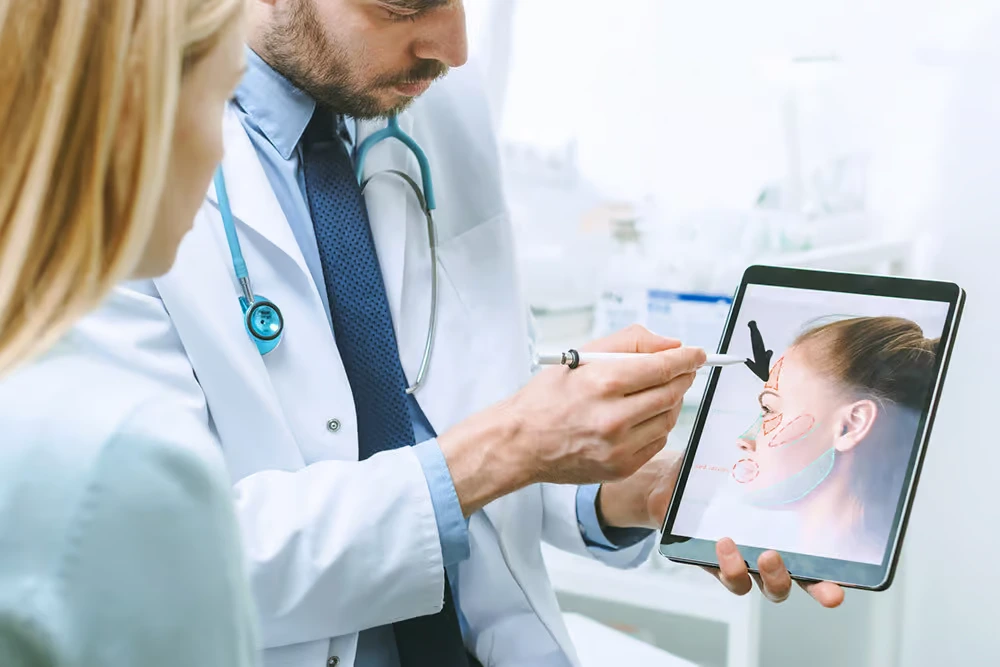

Plastic surgery has continued to advance because improvements in imaging technology and surgical tools have made minimally invasive techniques increasingly effective. These innovations help shorten recovery time, and they may produce more natural-looking results across procedures like facelifts, liposuction, breast augmentation, and blepharoplasty. Here is more information on plastic surgery and the different techniques that are used:
What Is Plastic Surgery?
Plastic surgery is a medical specialty focused on reconstructing or altering the human body. It falls into two broad categories: reconstructive surgery, which repairs abnormalities caused by injury, disease, or congenital conditions, and cosmetic surgery, which enhances appearance. Surgeons train in anatomy, tissue repair, and aesthetic principles; this rigorous preparation helps them address both functional and visual outcomes with precision.
What Are the Different Procedures?
Several procedures alter the body, and each addresses a distinct concern. A facelift tightens sagging facial skin and underlying tissue, which reduces visible signs of aging around the jawline and neck. Laser liposuction removes localized fat deposits using targeted heat energy, which also stimulates skin tightening in the treated area. Breast augmentation increases breast size or restores volume. Blepharoplasty addresses puffiness or drooping skin around the eyes, which can improve both appearance and vision.
Each procedure has evolved through smaller incisions, refined instruments, and improved surgical protocols. Surgeons select an approach based on the patient’s anatomy, health history, and goals, so no single procedure fits every patient. Because anatomy and goals vary widely, consultations typically include a detailed review of physical characteristics and expected results.
What Techniques Are Used?
Surgeons may use a combination of traditional methods and newer technology, which allows procedures to be performed with greater accuracy. Minimally invasive techniques reduce scarring and shorten recovery. Laser-assisted techniques apply controlled heat to break down fat cells while tightening surrounding skin, and they are commonly used in procedures like laser liposuction.
Imaging has changed how surgeons plan procedures. Anesthesia has also improved. Some procedures are performed under local anesthesia with sedation rather than general anesthesia, which reduces surgical risk while supporting faster recovery. This shift benefits patients who need shorter procedural timelines, and it broadens the range of individuals suitable for elective procedures.
What Are the Benefits?
Modern plastic surgery techniques offer several advantages over older methods, spanning recovery, precision, and overall patient safety.
- Recovery times may decrease because of smaller incisions and less tissue trauma.
- Improved imaging technology has increased surgical precision.
- Updated anesthesia protocols and better surgical planning enhance safety.
- Procedures that preserve more of the body’s natural structure may yield outcomes that align more closely with patient expectations.
These benefits have made plastic surgery more manageable and better supported for some patients.
Explore the Latest Innovations Today
Plastic surgery offers patients safer procedures, faster recovery, and more natural results. From facelifts to blepharoplasty, today’s techniques reflect years of refinement in surgical tools, imaging, and anesthesia; understanding these options helps patients know what to expect before pursuing any procedure. If you are looking to learn more, schedule a consultation with a plastic surgeon to discuss which techniques align with their goals.
