
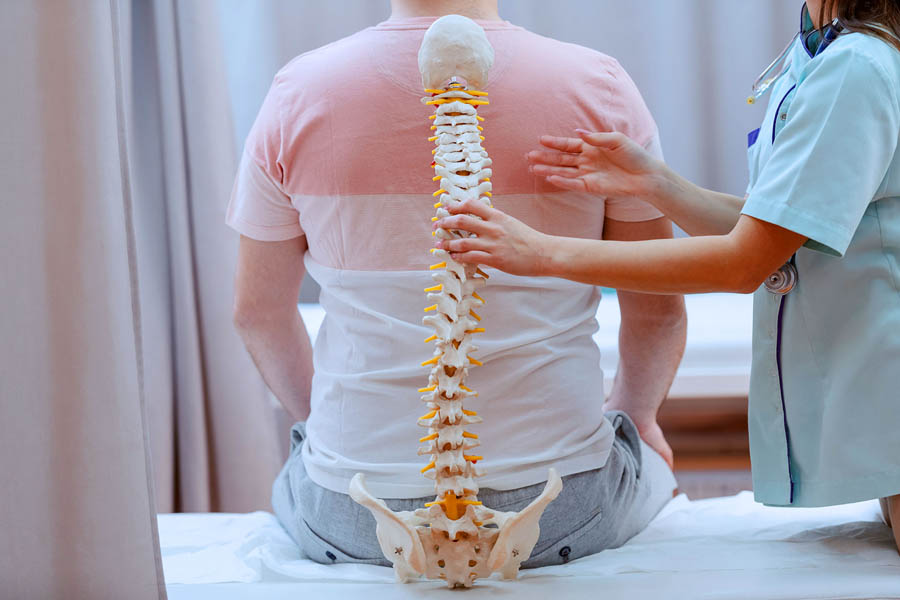

Chronic pain from injuries or orthopedic conditions can significantly affect your quality of life, and seeking professional guidance can help you find lasting relief. Regenerative medicine offers a different approach to pain management by using the body’s natural healing abilities. Here is more information on regenerative medicine, the treatments available, and how they benefit orthopedic patients:
What Is Regenerative Medicine?
Regenerative medicine is a field of medicine that develops methods to regrow, repair, or replace damaged cells, organs, or tissues. The primary goal is to restore normal function by harnessing the body’s own healing mechanisms. For orthopedic patients, this approach targets the underlying cause of pain rather than just managing symptoms, offering a non-surgical alternative for various conditions.
What Are the Available Treatments?
In orthopedics, two common regenerative treatments are platelet-rich plasma (PRP) and stem cell therapy. Both treatments utilize biological materials sourced directly from the patient’s body. The physician will determine which option is most suitable for each situation, and they will explain the details of the recommended procedure.
Platelet-rich Plasma (PRP)
Platelet-rich plasma therapy involves concentrating platelets from a patient’s own blood. These platelets contain growth factors that promote wound healing. The concentrated plasma is then injected into the affected area to accelerate tissue repair.
Stem Cells
Stem cell therapy uses stem cells, which have the natural ability to develop into many different cell types. When injected into an injured area, these cells can help repair damaged tissues like cartilage, tendons, and ligaments. Stem cells are typically sourced from the patient’s bone marrow or fat tissue.
How Do They Work?
Regenerative treatments stimulate the body’s natural repair processes at the site of injury or degeneration. PRP releases a high concentration of growth factors that signal cells to migrate to the injured area and initiate the healing process, thereby reducing inflammation and promoting tissue regeneration. Stem cells function differently because they can transform into the specific cells needed for repair, such as cartilage or bone cells. They also release substances that reduce inflammation and encourage the body’s existing cells to heal the tissue.
What Does the Process Involve?
The process for regenerative treatments is straightforward and is typically performed in an outpatient setting. For PRP therapy, a small blood sample is drawn and centrifuged to separate the platelets. The resulting platelet-rich plasma is then injected into the target area.
For stem cell therapy, the cells are first harvested from the body, usually from bone marrow in the hip bone or from adipose (fat) tissue. The harvested material is processed to concentrate stem cells, and the final product is then injected into the injured joint or tissue. Both procedures are minimally invasive and generally require little recovery time.
What Are the Benefits?
Regenerative medicine offers several benefits for orthopedic patients seeking pain relief. These treatments help reduce pain and improve function without the need for major surgery, thereby lowering the risk of complications and shortening the recovery period. By addressing the root cause of pain, regenerative therapies may provide long-lasting relief and slow the progression of degenerative conditions. Patients may experience a significant improvement in their mobility and overall quality of life.
Learn More About Orthopedics Today
Regenerative medicine is a developing field in orthopedics that focuses on repairing damaged tissues to relieve pain. Treatments like platelet-rich plasma and stem cell therapy use the body’s own materials to stimulate natural repair processes. If you are experiencing chronic pain, discuss these options with a specialist to see if they are right for you. Contact an orthopedic provider to learn more about your treatment choices.
