
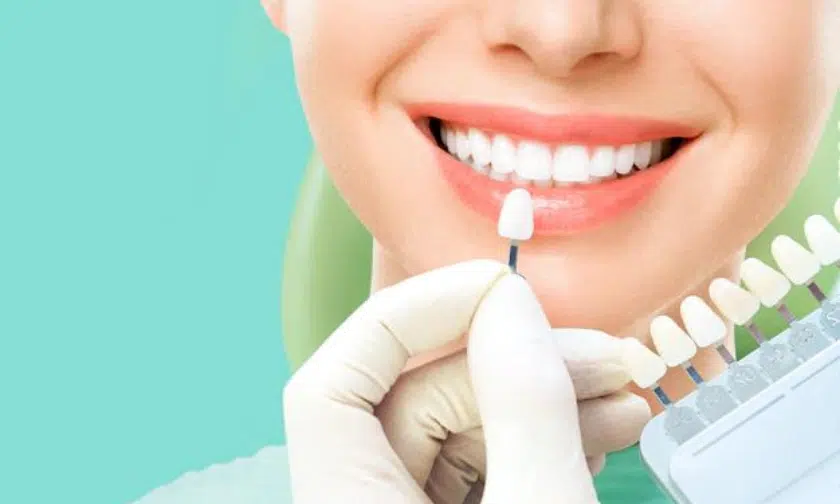

Veneers are custom-made shells placed over the front surfaces of teeth to improve their appearance. They address discoloration, chips, gaps, and other cosmetic concerns. While veneers are designed to be durable, regular dental check-ups can maintain their condition and support overall oral health. Here are some benefits of regular dental check-ups for individuals with veneers:
Monitoring Veneer Condition and Fit
Veneers encounter daily pressure from biting and chewing. During a check-up, your dentist examines each veneer for chips, cracks, and surface wear. If the dentist notices a change in color or texture, they can polish the surface or recommend a repair. Fit is another key factor. The bond between a veneer and the natural tooth weakens gradually, and a loose edge can create small gaps. Food particles and plaque collect in these gaps, affecting both appearance and comfort.
Detecting Dental Problems Early
Veneers cover only the front surface of a tooth. The natural tooth underneath still needs regular attention, and changes often develop without obvious signs. Routine visits let your dentist identify these changes before they affect your veneers.
Tooth Decay
Decay often begins where the veneer meets the natural tooth, especially when plaque builds up along the edge. Your dentist inspects these margins at each visit and takes X-rays when needed. Identifying decay early gives you more treatment options, which can preserve the veneer.
Teeth Grinding and Bite Changes
Some people grind or clench their teeth at night without realizing it. This habit puts extra force on veneers, and it can lead to chips or cracks over time. If your dentist notices wear patterns on your teeth, they may recommend a custom night guard to protect them while you sleep.
Maintaining Gum Health and Hygiene
Healthy gums frame your veneers and support their appearance. Gum irritation or recession can expose the edge of a veneer, creating a visible line near the gumline. During a check-up, your dentist or hygienist assesses your gums and cleans areas that brushing misses. Here are ways your dentist maintains gum health:
- Professional cleaning: A hygienist removes hardened plaque, called tartar, using tools safe for veneer surfaces.
- Gum assessment: The dentist checks for redness, swelling, or recession around each veneer.
- Product guidance: Your dentist may recommend a non-abrasive toothpaste and a soft-bristled toothbrush to protect the veneer finish.
- Flossing technique: You learn how to clean between veneers without catching or lifting the edges.
Extending the Lifespan
Your daily habits and how often you visit the dentist influence how long your veneers last. With proper care, they generally last 10 to 15 years. Regular check-ups can address minor issues before they require a full replacement. Dentists often recommend a check-up every six months, but your dentist may suggest a different schedule based on your needs. At each visit, they polish veneers to maintain their shine, repair minor chips, and track changes in your oral health. You also receive advice on habits that stress veneers, such as biting nails, chewing ice, or opening packages with your teeth.
Schedule Your Veneers Appointment Today
Regular dental visits are fundamental for maintaining the appearance and function of your veneers. During these appointments, your dentist polishes them, repairs minor damage, and monitors your overall oral health. You can prolong their lifespan by avoiding habits that put undue stress on them. Using a non-abrasive toothpaste is also recommended to prevent surface wear and preserve sheen. Contact a qualified dentist near you to schedule your veneers appointment today.
