
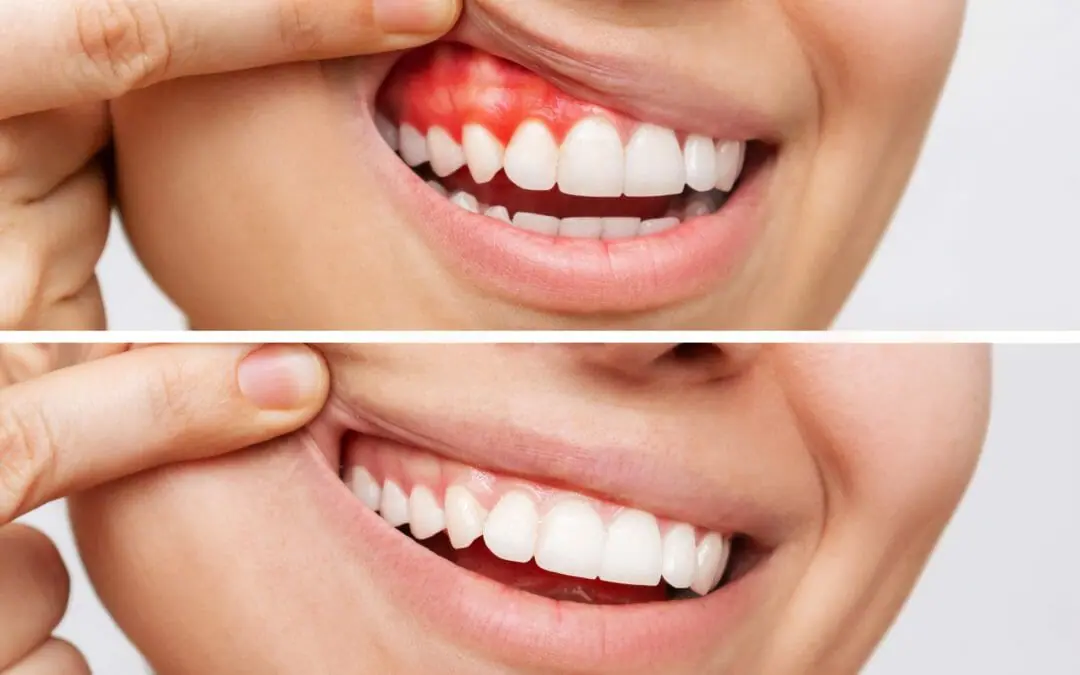

Early stages of gum disease may cause few noticeable symptoms. Later stages, however, can lead to bone and tooth loss and gum regression. Working with a periodontist for gum disease treatment gives you access to specialized care for the gums and bone that support your teeth. Learn more about why you should work with a periodontist for gum disease treatment.
Specialized Care
Periodontists are dentists who receive specialized training to diagnose, prevent, and treat diseases that affect the gums and jawbone. General dentists are responsible for routine cleanings and early detection. Once gum disease progresses beyond its earliest stage, a periodontist offers a deeper level of expertise.
During an evaluation, a periodontist measures the depth of the pockets around each tooth, assesses bone levels, and reviews risk factors such as smoking, diabetes, and family history. The specialist then develops a treatment plan based on the severity of your condition. Treatment options may include:
- Scaling and root planing: A deep cleaning that removes plaque and tartar from below the gumline and smooths root surfaces.
- Antimicrobial therapy: Medications placed in the gum pockets or taken orally to control bacterial infection.
- Laser therapy: A minimally invasive method for removing diseased tissue and reducing bacteria.
- Pocket reduction surgery: A procedure that provides access to deep deposits and reduces spaces where bacteria collect.
- Regenerative procedures: Techniques that help rebuild lost bone and supporting tissue.
This range of options allows care to begin with the most conservative approach. Multiple treatments may be performed at once.
Tooth Preservation
Untreated periodontitis can lead to tooth loss. As infection spreads below the gumline, bacteria and the body’s inflammatory response break down the bone and connective fibers that hold teeth in place. Over time, teeth may become loose, shift position, or require extraction.
A periodontist’s primary goal is to preserve your natural teeth whenever possible. Deep cleaning and surgical access to infected root surfaces help stop the progression of disease. Regenerative techniques, such as bone grafting and guided tissue regeneration, encourage the body to restore support that has been lost.
When a tooth cannot be saved, a periodontist may recommend dental implants. Their care of bone and gum tissue helps create a stable foundation for replacement teeth. This measure is useful for patients with a history of gum disease, since healthy surrounding tissue is essential for long-term implant success.
Gum Recession Treatment
Gum recession occurs when gum tissue pulls away from the tooth and exposes the root surface. Periodontal disease is a common cause, although aggressive brushing, teeth grinding, and genetics can also contribute. Receded gum tissue does not grow back on its own and can put teeth at risk of becoming loose.
Periodontists perform soft tissue grafting procedures to restore gum coverage. In a connective tissue graft, the specialist takes a small amount of tissue from the roof of the mouth and secures it over the exposed root. Donor tissue may be used when appropriate, and some patients are candidates for minimally invasive techniques that reposition existing gum tissue without grafting.
Overall Dental Health
After active treatment, periodontists provide ongoing maintenance to keep the disease under control. Periodontal maintenance visits may be more frequent than traditional cleanings and coincide with other preventative maintenance. This coordinated approach keeps the gums stable while ensuring that fillings, crowns, and other restorative needs receive proper attention.
Visit Your Periodontist
Gum disease is a progressive condition that is manageable with specialized care. Warning signs include bleeding when brushing or flossing, persistent bad breath, swollen or tender gums, receding gums, and teeth that feel loose. If you notice any of these symptoms, schedule a periodontal evaluation; in many cases, no referral is needed.
