
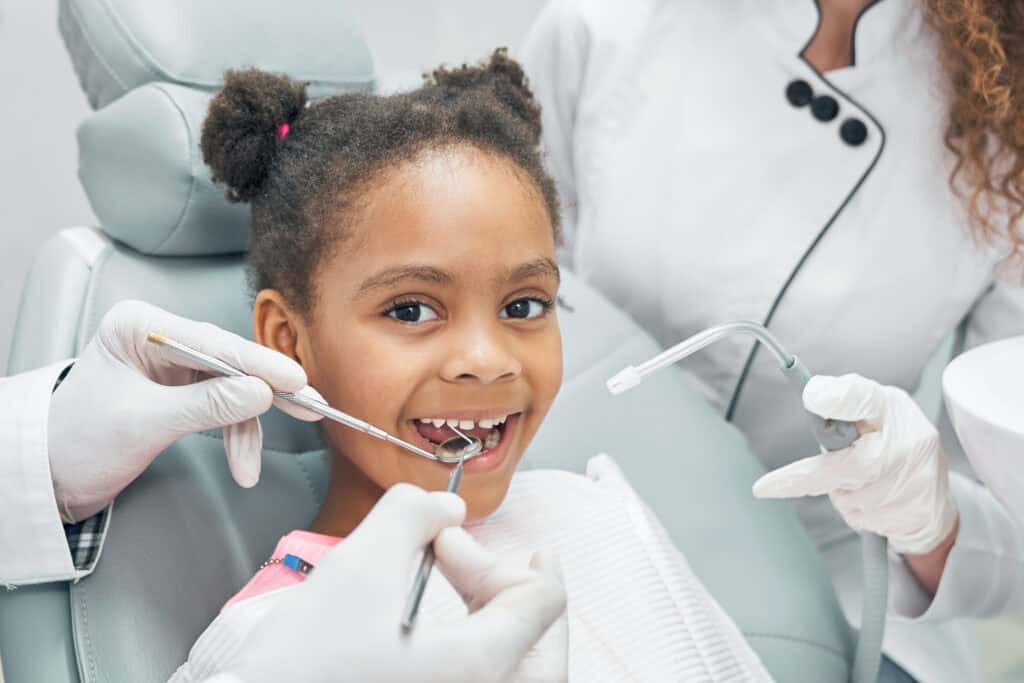

Oral health matters even before the first tooth appears, and pediatric dentists provide oral care for children from infancy through adolescence. Many practices see patients from birth until about age 18, though some continue care into early adulthood. Bacteria can collect on the gums, and feeding habits affect the mouth during the earliest months of life. Parents can wipe an infant’s gums with a soft, damp cloth after feedings to keep the area clean, but dental care is invaluable. Here’s more information on pediatric dentistry benefits and how early care helps establish healthy oral care routines:
Assessing First Teeth
Most babies get their first tooth between 6 and 12 months. Many dental organizations recommend scheduling the first visit within six months of the first tooth’s appearance or by the child’s first birthday, whichever comes first. During this pediatric dentistry visit, the dentist examines the baby’s gums, teeth, jaw, and soft tissues. The dentist may examine the child while the baby sits on a parent’s lap. They can show parents how to clean a baby’s teeth with an infant toothbrush.
The first appointment also gives parents a chance to ask questions on common topics, including teething, pacifier use, bottle feeding, and fluoride. After the first visit, most children return every six months for checkups. Each child develops at a different pace, so the dentist may recommend a different schedule based on their individual needs.
Assessing Baby Teeth
Baby teeth, also called primary teeth, usually finish coming in by about age 3. A full set includes 20 teeth. Baby teeth eventually fall out, but they serve several fundamental functions while they are in place. They help children chew food, form speech sounds, and hold space for the permanent teeth developing beneath the gums. Monitoring baby teeth allows the dentist to track development over time.
Regular exams can identify tooth decay, enamel defects, or spacing concerns early. Early loss of a baby tooth from decay or injury may cause nearby teeth to shift into the open space. In these cases, a dentist may recommend a space maintainer to keep room for the permanent tooth. Routine visits for young children often include:
- A Visual Exam of the Teeth and Gums
- Professional Cleaning
- Fluoride Application, When Appropriate
- X-Rays, When Needed To View Teeth Below the Gumline
- Guidance on Brushing, Flossing, and Diet
The dentist also watches for habits such as thumb sucking, as some prolonged habits may affect how the teeth and jaws develop.
Assessing Adult Teeth
Permanent teeth begin to appear around age 6, and most children have all permanent teeth, except their wisdom teeth, by about age 13. Pediatric dentists continue to monitor oral development throughout this transition. Newly erupted molars have deep grooves on their chewing surfaces, where food particles and bacteria can collect. Dentists often apply dental sealants, thin protective coatings painted onto the chewing surfaces of back teeth. The process is quick and does not require drilling.
Children who play contact sports may benefit from a custom mouthguard. A mouthguard is designed to cushion the teeth, lips, and gums during physical activity. As permanent teeth come in, the dentist evaluates how the upper and lower teeth fit together, assessing their mouth for crowding, overbites, underbites, and crossbites.
The American Association of Orthodontists recommends an orthodontic evaluation by age 7. A pediatric dentist can refer the child to an orthodontist when treatment is appropriate. Teenagers may also need guidance on wisdom teeth, which typically develop between ages 17 and 21. X-rays allow the dentist to track their position over time.
Find a Pediatric Dentistry Facility
Choosing a pediatric dentist involves several practical factors, so if you need a new provider, look into a practice’s location, hours, accepted insurance, and the ages it serves. Some facilities offer sedation options or accommodations for children with special health care needs. Ask about emergency care policies before your first visit. To support your child’s oral health, schedule a pediatric dentistry visit today.
