
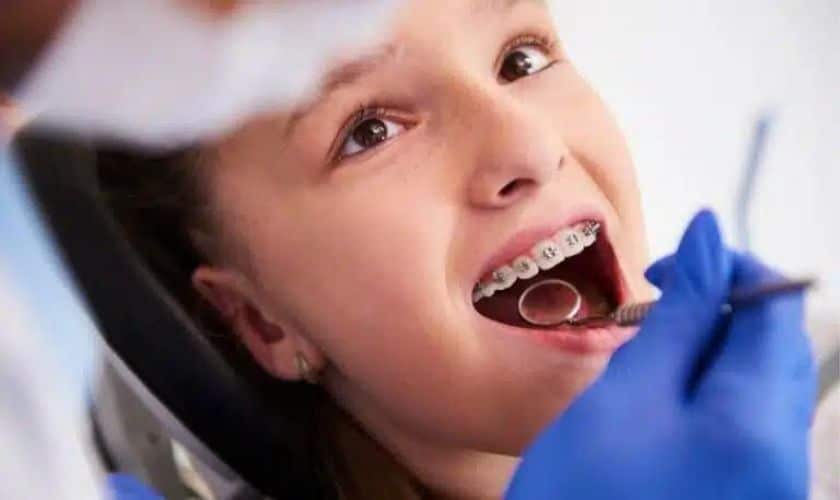

Children’s orthodontics focuses on the alignment of young teeth and jaws, and early visits give parents a clear idea of what comes next. Dentists examine a child’s bite around age seven, and this early look helps track growth patterns. Since baby teeth guide the placement of adult teeth, timing shapes many treatment choices. Here is more information on the role of this field of dentistry:
Straightening Crooked Teeth
Crowded or crooked teeth appear as a child’s adult teeth come in, so dentists measure spacing to see how teeth will settle. When space runs short, an early plan may create room, and this reduces later crowding. Regular checkups for children’s orthodontics catch these shifts as they happen. Several tools help guide teeth into position:
- Dental space maintainers that hold gaps open
- Partial braces on select teeth
- Removable retainers for minor shifts
Each option suits a different situation, and the dentist matches the tool to your child’s needs. As every mouth differs, the plan reflects your child’s specific growth. You review these choices together during the appointment.
Fixing Overbites
An overbite happens when the upper teeth extend too far past the lower ones. Some overbites stem from tooth position, and others come from jaw growth. When a dentist spots the pattern early, treatment typically targets the root of the issue. Small adjustments now may shorten later work.
Growth plates in a child’s jaw stay flexible during younger years. This flexibility gives dentists a window to guide development. Dentists use appliances that shift the jaw gradually, and they monitor changes at each visit. Since the jaw is still forming, mild devices are typically adequate.
Parents play a direct role in overbite care. You track appliance wear, and you keep scheduled appointments. When your child follows the plan closely, the dentist adjusts the approach as needed. Consistent visits keep the treatment on course.
Preventing More Invasive Treatments
Early care may reduce the need for heavier work later. When a dentist guides growth in stages, teeth and jaws often settle into better positions. This staged approach may lower the odds of extractions. Watching development closely keeps small issues from growing. These measurements give the dentist current information at each visit. A few habits support this preventive path:
- Twice-yearly dental checkups
- Prompt care for injured or lost teeth
- Steady at-home brushing and flossing
Improving Chewing and Speech
Misaligned teeth may affect how a child chews food. Certain bite patterns make it harder to break down meals, and this shows during eating. When the dentist corrects alignment, chewing motion changes. Early attention addresses these patterns while the jaw develops.
Speech also connects to tooth and jaw position. Some sounds may depend on where the tongue meets the teeth. When gaps or overbites shift that contact, certain words sound different, and speech habits form around them. A dentist may flag these patterns during an exam, and parents may notice many of these signs at home.
Find Children’s Orthodontics Near You
Early orthodontic care starts with a simple exam from a dentist, and the visit maps out the coming years. Since growth moves quickly in young children, timing shapes the options available. Book an appointment for your child’s orthodontic evaluation today. Reach out now to set up a visit that works for you.
