
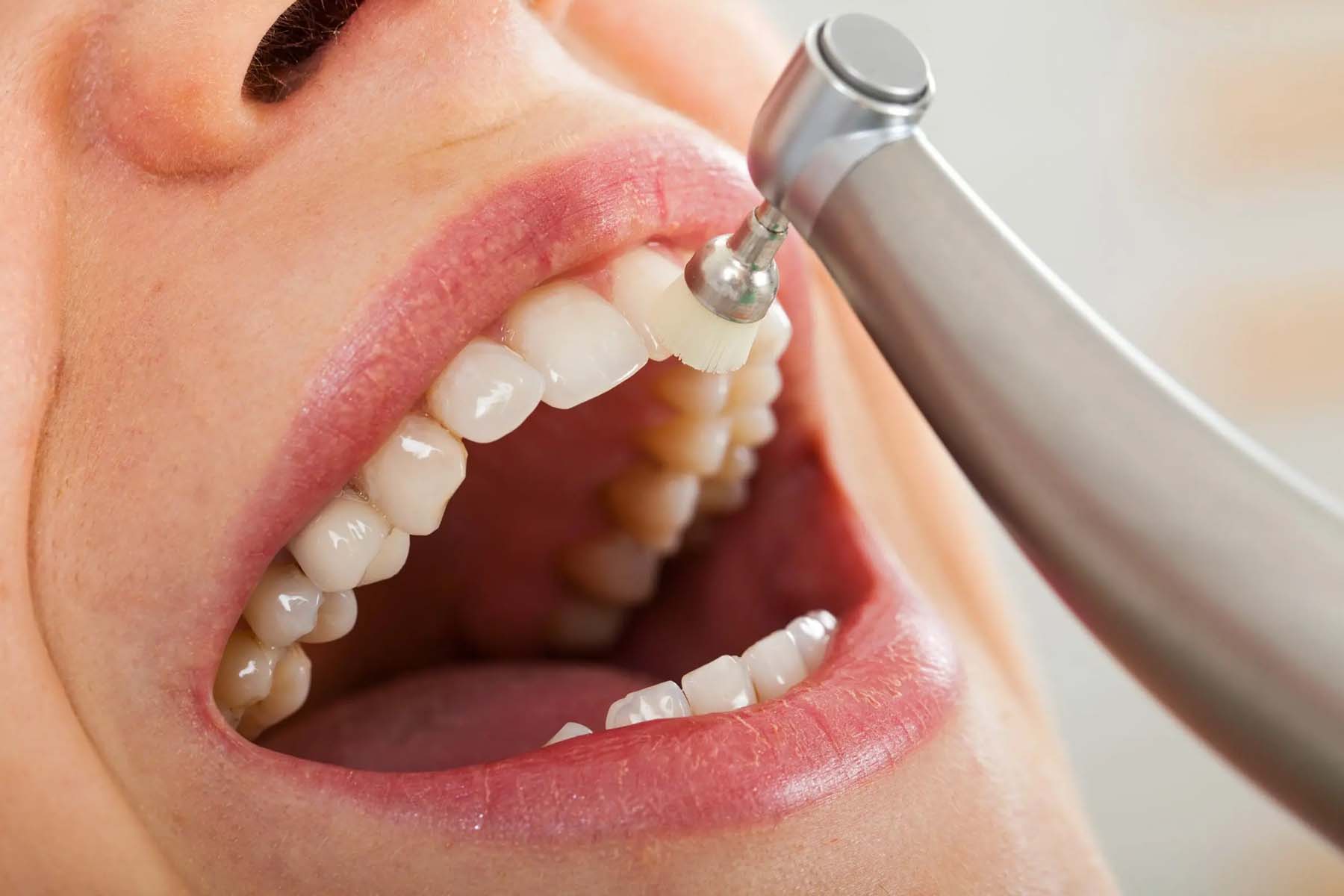

Plaque can remain around your teeth and along the gumline even when you brush and floss regularly. Teeth cleaning uses professional instruments to remove buildup that home care does not reach. These appointments also give dental professionals a chance to examine areas that need further attention. Here are some things you should know about professional teeth cleaning:
Remove Plaque Buildup
Plaque is a soft film that develops on teeth, and it can contribute to tooth decay and gum disease if it’s not removed. Some areas of the mouth are difficult to clean thoroughly at home. When plaque stays in place, it hardens into tartar that requires specialized dental instruments for removal. Professional cleaning reaches areas around the gumline that ordinary brushing does not adequately address.
During a cleaning appointment, a hygienist removes accumulated plaque and tartar from your teeth. They scrape away deposits with dental scalers, and flossing helps remove plaque from between the teeth. Polishing often follows scaling, and this helps remove surface stains. Sometimes fluoride treatment is available to protect the teeth from decay.
Teeth cleaning differs from daily brushing and flossing in both technique and equipment. Home care helps control ongoing plaque accumulation, while clinical instruments remove hardened deposits that brushing cannot eliminate. Regular appointments also provide an opportunity to discuss oral-care practices based on what the dentist observes.
Examine Gum Health
A gum assessment provides information about inflammation and conditions affecting the tissues around the teeth. Tartar near the gumline receives particular attention during cleaning, and findings may indicate a need for additional evaluation. Early identification of gum concerns gives the dental team information for planning appropriate care.
Assess Oral Conditions
A cleaning appointment may occur alongside a dental examination; the examination evaluates the teeth, gums, bite, and other oral structures. Digital X-rays provide additional information when areas below visible surfaces require evaluation. Some findings receive attention during an examination and after teeth cleaning:
- Cavities: These show where decay has damaged tooth enamel.
- Gum inflammation: These are areas where the gums are swollen, red, or tender.
- Oral abnormalities: A dentist identifies unusual changes that may require further evaluation.
- Bite concerns: This explains how the upper and lower teeth come together when the mouth closes.
- Hidden conditions: X-rays can reveal decay, bone loss, impacted teeth, and other problems that are not visible during a visual examination.
Adapt Cleaning Frequency
Six-month cleaning appointments are common for many patients, but individual schedules vary based on oral health. Patients with a history of gum disease may need closer monitoring, while orthodontic appliances create additional areas where plaque and food particles accumulate. These factors help determine an appropriate cleaning schedule based on your oral health and treatment history. Once you and your dentist agree on a cleaning frequency, it’s easy to adapt the routine to your schedule and lifestyle. Flexible office hours, including Saturday appointments, make it easy to avoid disrupting weekly routines.
Explore Professional Teeth Cleaning
Preventive appointments create a useful record of changes in your oral health over time. Consistent scheduling lets dental professionals compare findings across visits, and they adjust care as conditions change. Teeth cleaning becomes part of a broader preventive approach when combined with examinations and appropriate home care. Contact a dental office today to schedule a professional cleaning.
