
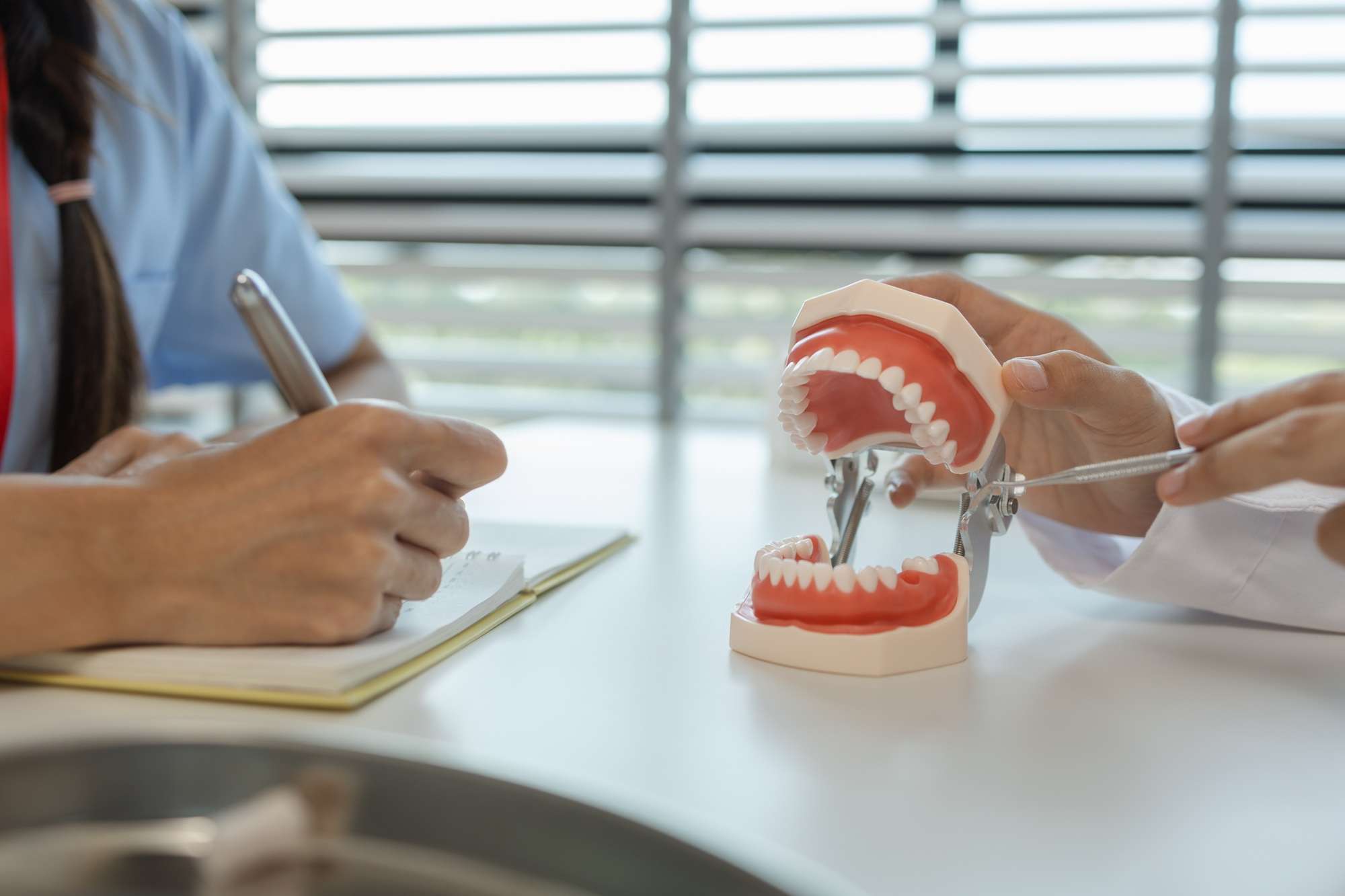

Wisdom teeth are the last set of teeth to emerge in the mouth, and they can draw attention from dentists during routine checkups in the late teen and early adult years. Some people keep these teeth without any noticeable concerns, while others may be advised to have them extracted. Understanding what the process generally involves can help you take part in informed discussions about your oral health.
What Are Wisdom Teeth?
Wisdom teeth are the third molars, located at the very back of the mouth on both the upper and lower jaws. These teeth typically begin forming beneath the gums during childhood, and they tend to emerge between the ages of 17 and 25. Wisdom teeth do not always have enough room to emerge fully or in proper alignment.
Who Needs Them Removed?
Not every person requires wisdom tooth removal. When the teeth emerge fully and sit in the correct position, a dentist can recommend simply monitoring them over time. A recommendation for extraction may arise when a wisdom tooth is impacted; this means it remains partially or fully trapped beneath the gum or bone. Impacted teeth can grow at an angle, toward neighboring teeth, or horizontally within the jaw. Your dentist may discuss removal if an examination or X-ray reveals any of the following:
- Eruption that is partial, leaving an opening in the gum where food and bacteria can collect
- Pressure against or damage to the adjacent second molars
- Tooth decay or gum disease affecting the area
- Pain, swelling, or tenderness near the back of the jaw
- Space limitation that may affect the alignment of other teeth
Each recommendation depends on the individual’s oral structure and the results of a clinical examination.
What Should You Expect?
The process usually begins with an examination and X-rays; these allow the dentist or oral surgeon to evaluate the position of each tooth and its relationship to nearby nerves and the sinuses. Anesthesia choices commonly include local anesthesia, which numbs the treatment area, and sedation anesthesia, which reduces awareness during the procedure. The appropriate option depends on the number of teeth being removed, their position, and your preferences.
During the procedure, the provider may make an incision in the gum tissue to access the tooth. The tooth is divided into smaller sections in some cases so it can be removed more easily. The site is cleaned after the extraction, and stitches may be placed. Gauze is then positioned over the area to help control bleeding. Recovery generally takes several days, although individual experiences vary. Your provider will supply aftercare instructions, which commonly address:
- Resting for the remainder of the day following surgery
- Applying cold packs to the outside of the face to help manage swelling
- Eating soft foods
- Avoiding straws and vigorous rinsing for a period of time, as these may dislodge the blood clot forming in the socket
If you receive sedation, you will typically need someone to drive you home.
Confer With Your Dentist
Whether or not your wisdom teeth require removal, regular dental visits allow your dentist to track their development and identify changes over time. Teeth that cause no concerns today may shift as you age; periodic X-rays will reveal developments that are not visible during a standard examination. If you undergo an extraction, your dentist can arrange a follow-up appointment to review the healing process and remove any non-dissolving stitches. Contact your dental office promptly if you notice persistent bleeding, fever, discharge from the site, or pain that increases several days after the procedure.
