
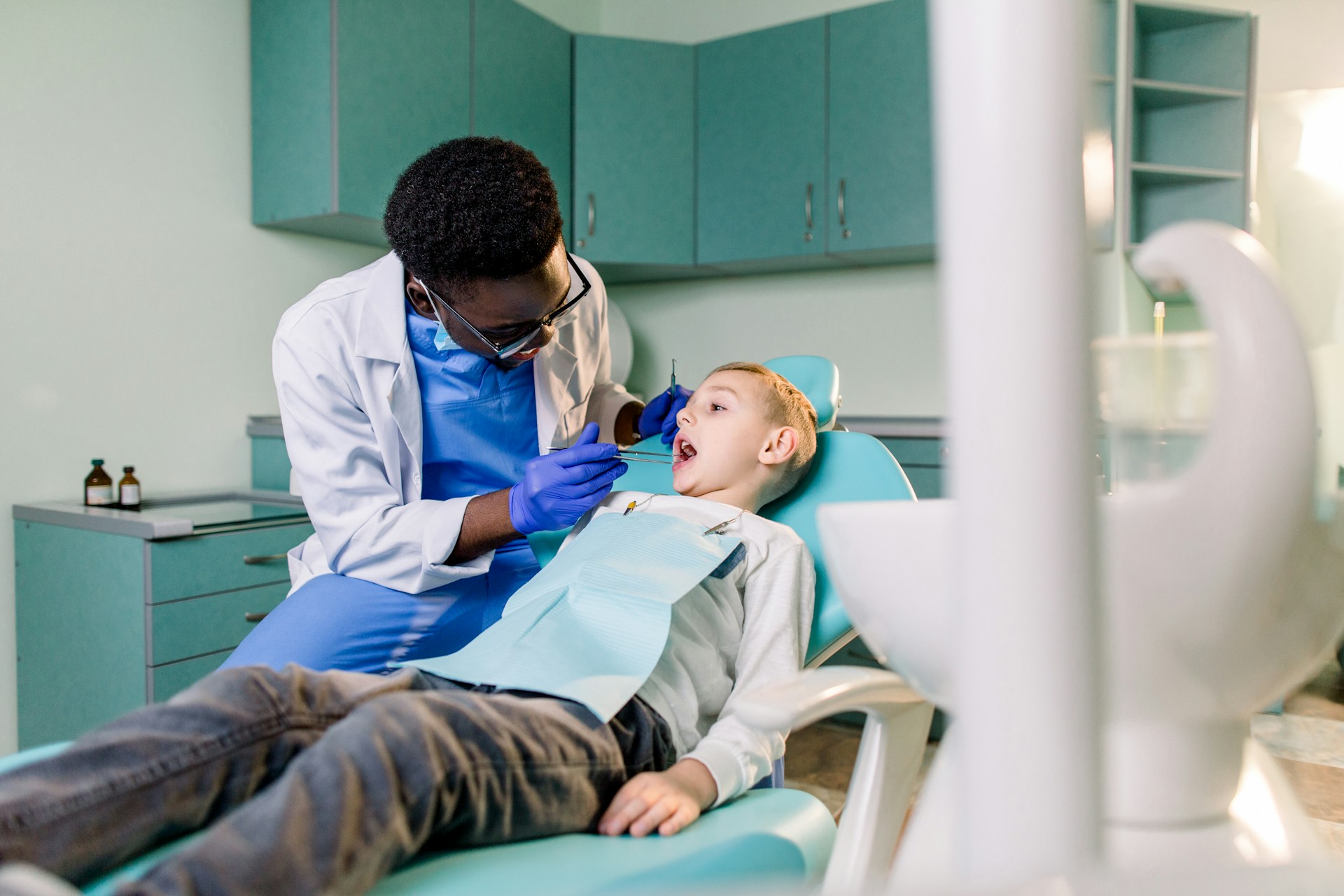

Family dentistry provides dental care for patients of all ages in one practice. A family dentist treats children, teens, adults, and older adults, so one office can manage care for an entire household. This approach keeps your dental records in one place over many years. If you need to see a dentist, this information can help you prepare for your first appointment.
Prevention Through Routine Care
Routine care is the foundation of family dentistry. During dental cleanings, a hygienist removes plaque and tartar from places brushing and flossing miss. This buildup can harden over time, and it becomes difficult to remove at home without professional tools. The hygienist will also point out spots that need more attention at home. Your dentist will recommend a schedule that fits your situation. Routine visits also give your dentist a chance to check for signs of oral cancer. The dentist then examines your teeth and gums, and the team may take X-rays if a closer look is needed. X-rays help the dentist see areas that are not visible during a standard exam. They can reveal decay between teeth, bone loss, and developing issues below the gumline. Children may need X-rays more often as their teeth develop, while adults will need them less frequently.
Restoration of Damaged Teeth
Decay, injury, and wear are common causes of weakened teeth, and each affects the tooth in a different way. Left untreated, a weakened tooth can fracture further, and the damage will eventually reach the root. A dentist assesses the extent of the damage and recommends the most appropriate repair. Dental crowns cover a tooth that is cracked or heavily decayed, and they restore its shape and function. Crowns are made from different materials. These include porcelain, ceramic, and metal alloys.
A crown also protects the remaining tooth structure from further damage. The process usually takes two visits, and a temporary crown protects the tooth in between. At the first visit, the dentist prepares the tooth by reshaping it to fit the crown. An impression is taken and sent to a dental lab, where your permanent crown is made. The second visit involves placing and adjusting the permanent crown for a proper fit.
Support for Urgent Dental Needs
Some issues need care the same day, while others can wait for a regular appointment. Dental problems do not always happen on a schedule. Emergency dentistry provides prompt care for these issues, and starting treatment early may limit further damage. A tooth may crack during a meal, or a sudden toothache will begin overnight. Common dental emergencies include:
- Severe tooth pain
- Swollen tissue in the mouth or face
- Knocked-out teeth
- Cracked or broken teeth
- Lost fillings or crowns
Schedule a Family Dentistry Visit
Family dentistry supports oral health through prevention, restoration, and urgent care. Each visit builds a record of your dental health, and that record helps guide future care. If you need a checkup, contact the office. The staff can schedule your first appointment. Bring your insurance card, a list of current medications, and any recent dental records. Arrive a few minutes early to complete new patient forms. The team can answer your questions before treatment begins.
