
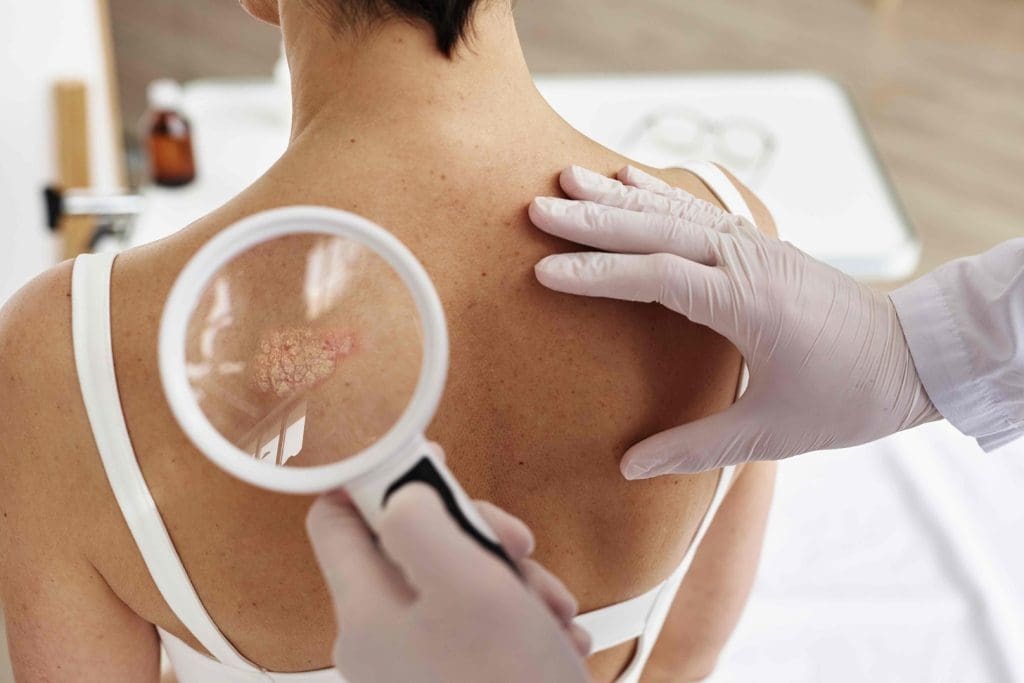

Skin cancer services cover the tools and methods clinics use to remove abnormal skin cells, and understanding these techniques helps you to be prepared before your appointment. New approaches focus on precision, and they aim to treat the affected area while sparing healthy tissue. If you notice a changing mole or spot, a specialist assesses it and maps out a plan. Here are some of the latest techniques:
Cryosurgery
Cryosurgery uses extreme cold to destroy targeted skin cells. A provider applies liquid nitrogen to the spot, and the freezing action breaks down the treated tissue. In some cases, this method suits certain early lesions on the surface of the skin.
The area typically blisters afterward, and it scabs over as it heals during the following weeks. Cryosurgery is typically a quick process compared to other skin cancer services. Since the tool freezes a small zone, your provider watches the borders closely.
Excision Techniques
Excision means cutting out the lesion along with a margin of surrounding skin. The surgeon numbs the area first, and then removes the growth with a scalpel. A lab examines the sample to check whether the edges are clear.
The choice depends on size and location, and it also depends on the type of cells involved. Stitches close most wounds, so the site needs basic care while it mends. You keep the area clean, and you follow the aftercare steps your provider gives you. Providers pick from a few excision styles depending on the lesion. Your options might include:
- Simple excision for well-defined growths
- Wide local excision for larger or deeper spots
- Additional shave removal for raised surface lesions
The procedure itself is typically straightforward. Each lesion varies in size, depth, and underlying cell type, and your provider will carefully assess the area to make sure the correct method is chosen. While most wounds are closed with stitches, which help minimize scarring, how quickly the site heals can also depend on your adherence to the aftercare instructions provided.
Mohs Surgery
Mohs surgery removes skin cancer in thin layers, one at a time. The surgeon takes a layer, and a technician checks it under a microscope right away. If cancer cells remain, the surgeon returns to remove another layer.
This staged process continues until the samples show no more cancer. Since the work happens in one visit, you wait between layers while the lab examines each piece. Mohs targets tricky areas, such as the face, where sparing healthy tissue matters.
Recovery depends on the wound size, and it varies from person to person. Your provider explains how to clean the site and when to return. Following those instructions closely supports steady healing. A dermatologist examines your skin and explains which approach fits your situation.
Find Skin Cancer Services
These techniques serve different lesions, and your provider matches the method to your diagnosis. Book an evaluation if you spot a new growth or a mole that changes. Bring a list of your concerns, and note when you first saw the change. Early attention gives your provider more room to plan, and it starts the process sooner. Contact a skin cancer clinic near you to schedule your appointment today.
