
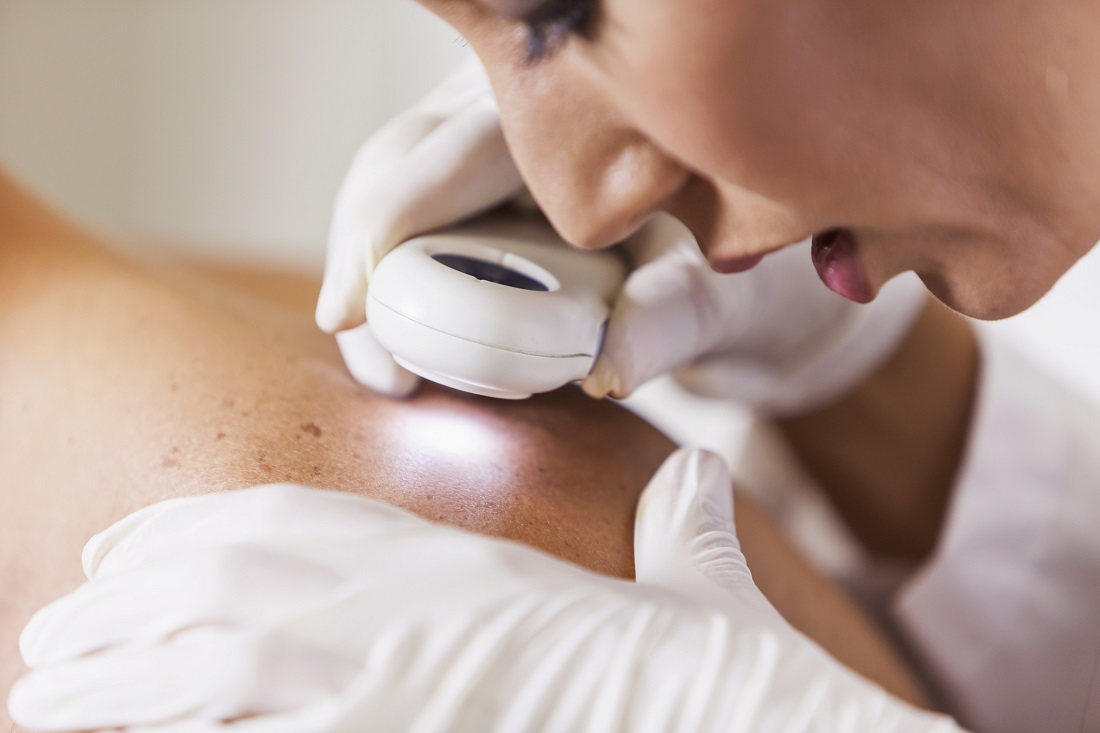

A skin cancer diagnosis leads to treatment decisions. Several plastic surgery options exist, and each one targets abnormal cells in a specific way. Your dermatologist may recommend one approach, or your care team will combine methods when the location and stage call for it.
Use Surgical Removal
Plastic surgery removal is the most common way to treat skin cancer. This method works well for many cancer types, but the margin size depends on the tumor’s characteristics and location. Before the procedure, your surgeon maps the area and may mark the boundary around the growth. If margins are clear, no further excision is needed, and your care team moves on to closing and monitoring the wound. Your surgeon provides aftercare instructions, and follow-up visits track healing to catch concerns early.
Use Mohs Surgery
The surgeon examines each layer under a microscope, and the process continues until no cancer cells appear. Mohs surgery removes cancer one thin layer at a time. This precision spares healthy tissue, so it suits areas like the face, ears, and hands. Because each layer is checked immediately, the procedure takes place in an outpatient setting under local anesthesia. After each layer is removed, you wait while the tissue is processed and reviewed. If cancer cells remain, the surgeon removes another layer from that specific spot only. This targeted approach takes less healthy tissue, and it reduces the chance of a second procedure. The process can take hours depending on how many layers are needed. Your surgeon reviews the results with you before closing the site, and closure depends on the wound’s size and location. Follow-up appointments monitor healing and screen for any recurrence. Mohs surgery is especially well-suited for:
- Tumors with unclear borders, where precise margin control matters
- Recurring cancers, which require thorough layer-by-layer clearance
- Lesions on the face, ears, or hands, where preserving healthy tissue matters most
- High-risk sites, where a second procedure would be difficult or disruptive
Use Cryotherapy as a Treatment
This kills the targeted cells, and the treated skin scabs over and flakes away after treatment. The procedure is quick and needs no incisions for suitable lesions. Before treatment, your dermatologist evaluates the lesion’s size, depth, and type to confirm cryotherapy is appropriate. Liquid nitrogen is applied directly to the site with a spray device or a cotton-tipped applicator, and the process takes only a few minutes. Some patients feel a cold, stinging sensation during application. Discomfort is usually mild and brief.
Your dermatologist may repeat the freeze-thaw cycle once or twice in the same session, in order to improve results. Healing usually means redness, swelling, and a scab, and the area recovers over the following weeks. The treated skin may appear lighter than the surrounding area. Your care team will note this during your follow-up. Scheduled check-ins after treatment help your dermatologist monitor the site while catching signs of recurrence early.
Book Plastic Surgery Today
Speak with your dermatologist or surgeon about the option that fits your diagnosis. Ask which procedure suits your cancer type, and request details on recovery and follow-up. Bring your questions to your consultation, and your care team can explain each step so you know what to expect. Schedule an appointment to review your treatment plan and move forward.
