
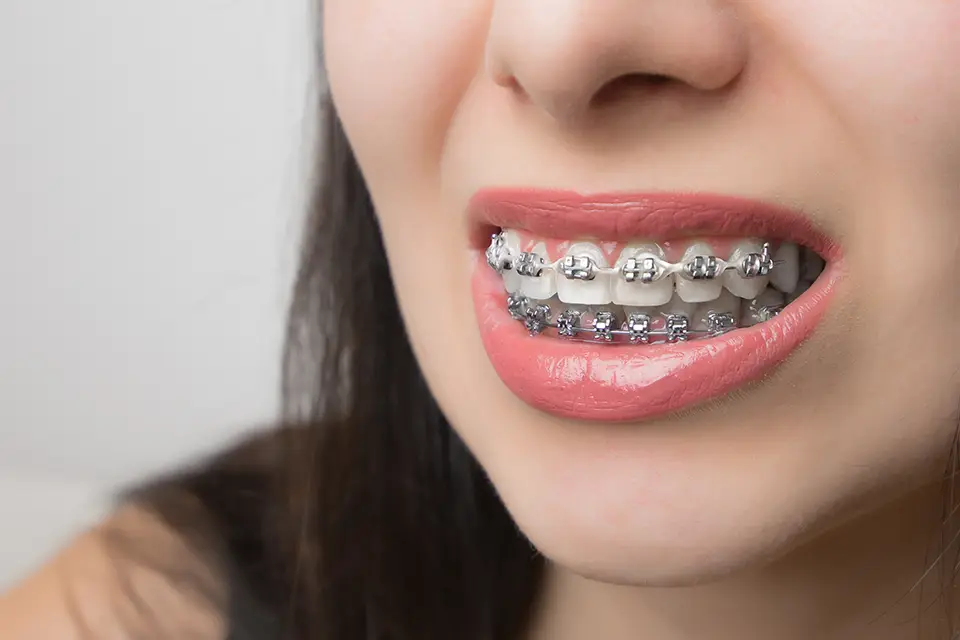

Braces are a common orthodontic treatment; they gradually move teeth into better alignment, correct bite problems, and improve overall dental function. If you’re exploring braces for adults, it helps to know what treatment involves before scheduling a consultation. You may review factors such as your schedule, lifestyle, and long-term oral health goals. A clear picture of daily care and realistic timelines supports better decisions about your teeth and bite. Here are several things to know before getting braces as an adult:
Understanding Adult Braces
Braces for adults can address crowding, spacing, and bite problems. Adult teeth no longer grow, so orthodontic tooth movement works with fully developed bone and gum tissue. Treatment still shifts teeth with steady pressure, relying on brackets, wires, or aligners placed by an orthodontic provider. Some adults also have previous dental work such as crowns, implants, or bridges, which may impact the treatment plan.
Reviewing Daily Commitments
Orthodontic treatment affects daily routines; it influences how you prepare meals and manage oral hygiene. Understanding these changes ahead of time can improve planning, which supports consistent habits throughout treatment. Daily commitments often include:
- Oral hygiene expectations: Brushing and flossing may take longer with brackets and wires because food particles collect around hardware.
- Diet adjustments: Sticky and hard foods have the potential to damage brackets or bend wires during chewing.
- Appointment scheduling: Regular visits let the orthodontist adjust appliances and track tooth movement over time.
- Discomfort management: Soreness may follow brace adjustments, so soft foods and orthodontic wax help you stay comfortable.
- Speech and appearance: Some adults adapt quickly to appliance visibility, while others prefer lower-profile or clear options.
Timelines and Treatment Options
Treatment with braces usually requires many months; the exact length depends on your bite, crowding level, and appliance type. Some adults finish treatment more quickly when alignment needs are limited, while others need longer for complex corrections. Braces for adults often involve a detailed consultation where the orthodontist explains expected progress and follow-up care. Since missed appointments can slow tooth movement, staying on schedule helps support the projected end date.
Many adult patients balance orthodontic care with professional responsibilities, family life, and underlying dental conditions. If you speak publicly or meet clients frequently, you may prefer less noticeable appliances, while others prioritize durability over appearance. Some adults also live with gum disease or past tooth loss; these factors influence which orthodontic methods are appropriate. Successful orthodontic treatment depends on healthy supporting gums and bone, so your general dentist and orthodontist may coordinate care. A clear discussion about your schedule, comfort level, and long-term dental goals helps the orthodontist develop a treatment plan that accommodates your daily responsibilities.
Explore Braces for Adults
Understanding daily care requirements and appointment expectations can help you make an informed decision about adult braces. Because treatment needs vary, bring questions about treatment length, appliance options, and retention to your consultation. Share any medical or dental history that may affect your care. With this information, an orthodontic provider can recommend a plan that suits your schedule, oral health, and long-term dental goals. Schedule a consultation with an orthodontist today; they’ll help you explore your options.
