
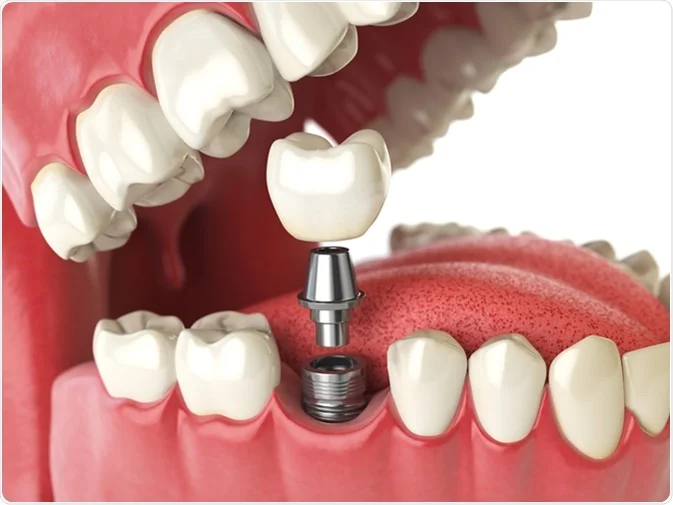

A dental implant replaces the root of a missing tooth, and many patients choose them over dentures or bridges for long-term tooth replacement. An implant is a small titanium post, and a dentist places it in your jawbone. Once the post heals, the dentist attaches a crown that looks like a natural tooth. This is how dental implants provide a permanent solution for tooth loss:
Restoring Bite
When you lose a tooth, the nearby teeth may shift into the open space. This shifting changes how your upper and lower teeth meet, and chewing may feel uneven. An implant fills the gap and holds the space open. Without a replacement, uneven wear may affect other teeth over time.
Dental implants withstand chewing forces much like natural teeth, so many patients return to a normal diet. You may notice changes in several daily tasks. Here are a few areas where patients might report a difference:
- Biting into firm foods like apples or raw carrots
- Chewing on both sides of the mouth
- Speaking without a denture slipping
- Eating without adhesives or removable parts
Providing a Durable Foundation
Dentures rest on the gums, and bridges rely on nearby teeth for support. An implant works differently because it anchors directly in the jawbone. This anchor acts like the root of a natural tooth. It does not depend on adhesives or neighboring teeth.
Most implants use titanium because the metal resists corrosion and works well with body tissue. Some patients receive zirconia implants instead. Both materials hold up to daily chewing, and neither one develops cavities. Your dentist will help you choose a material based on your bone and health history.
Implant posts often last for decades with proper care. The crown on top may need replacement periodically, but the post typically stays in place. Since the crown wears from daily use, your dentist checks it during routine visits.
Fusing to Bone
Dentists call this fusing process osseointegration. During this stage, your jawbone grows around the implant post. The bone locks the post in place, and the post becomes part of your jaw.
Your dentist may place a temporary tooth while the bone heals. You will have follow-up visits during this time. These visits are typically short, and they let your dentist track your progress. Smoking and uncontrolled diabetes may slow healing.
Preventing Bone Loss
Your jawbone needs regular pressure from chewing, and tooth roots provide that pressure. When a tooth goes missing, the bone in that area starts to shrink. Studies show the bone may lose up to 25% of its width in the first year.
Since an implant sits in the bone, it transfers chewing pressure much like a natural root. Dentures and bridges sit above the gums. They replace the visible tooth, but they do not stimulate the bone below. Over time, bone loss may cause these changes:
- A sunken look around the mouth and cheeks
- Loose dentures that need frequent adjustment
- Less bone support for future implants
Get Dental Implants Near You
Implants are not right for every patient, so your dentist will review your gum health, and an X-ray or 3D scan will show your bone density. If you have bone loss, a bone graft may come first. Grafts add several months to the timeline. When you book a consultation, bring a list of your medications and questions. Ask about the full treatment timeline, and request a written estimate.
