

Porcelain veneers are thin shells that attach to the front of your teeth, and they hide flaws. A dentist bonds each shell in place, and the material blends with your surrounding teeth. If you want to change the look of chipped or stained teeth, veneers offer one path. This is how they work and what the process involves:
Covering Tooth Flaws
Veneers address surface issues that brushing alone will not fix. A shell covers the front of the tooth, and it hides marks or small gaps beneath it. When a tooth shows cracks or worn edges, a veneer masks those details.
Some flaws respond well to this approach, and it involves minimal tooth removal. Since the shell sits over the natural tooth, it reshapes the visible surface. Porcelain veneers can be used to cover these concerns:
- Stains that resist whitening
- Chips along the biting edge
- Small gaps between teeth
- Uneven or worn shapes
Your dentist reviews the tooth first, and then a plan takes shape. Each case differs, so the right fit depends on your situation. If the underlying tooth stays healthy, veneers remain one option to discuss.
Matching Natural Color
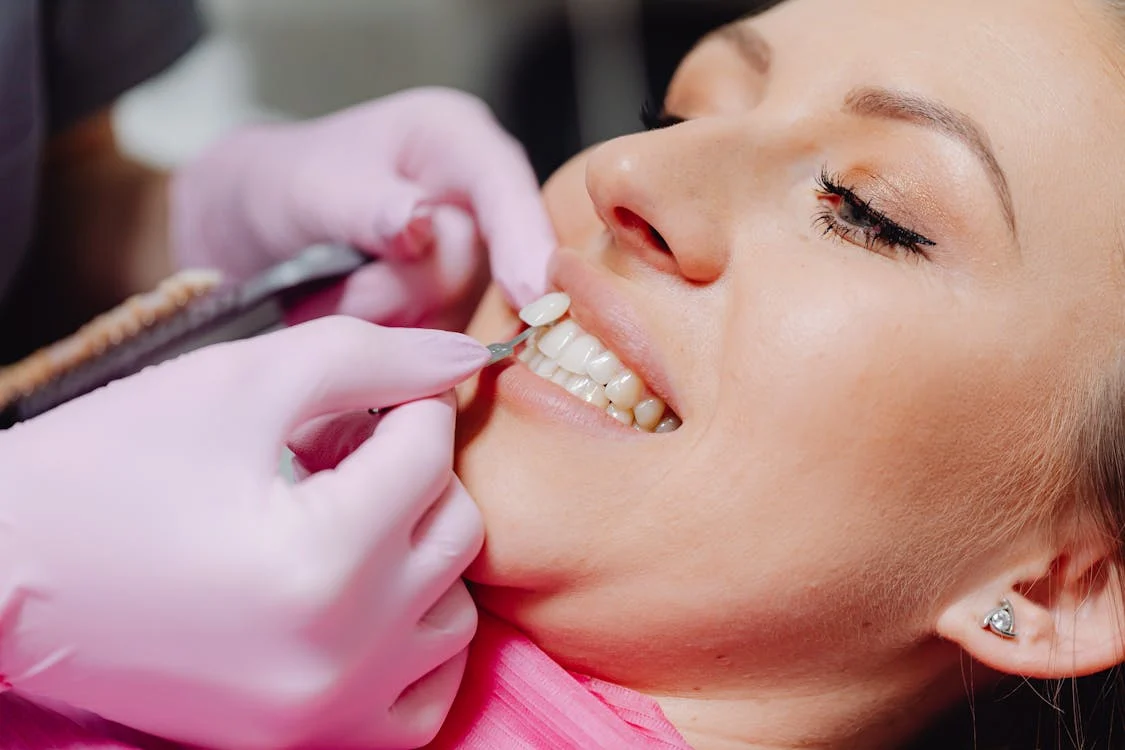
Color matching shapes the final result of your porcelain veneers. Your dentist selects a shade, and the porcelain gets tinted to suit your smile. When the veneer sits beside untouched teeth, the tones align closely.
The porcelain reflects light in a way similar to enamel. Since the material holds its shade, the color stays steady over time. Your dentist checks the match, and they may look at it under different lighting before the final step.
Removing Portions
The tooth needs preparation before a veneer attaches, so a dentist removes a thin layer of enamel, and this creates room for the shell. Without that space, the veneer would sit too far forward. Since enamel does not grow back, this step is permanent. Your dentist numbs the area first, so the process stays comfortable for you.
Bonding to Natural Teeth
Bonding secures the veneer to your tooth. A dentist applies adhesive, and a curing light hardens the bond. When the shell locks into place, it functions alongside your natural teeth.
Care after bonding keeps your veneers in good shape. Since the shells attach to real teeth, daily habits still matter. Follow these steps to protect them:
- Brush twice each day
- Floss around each tooth
- Avoid biting hard objects
- Keep regular dental visits
Your dentist checks the veneers at each appointment. While wear happens gradually, early reviews catch problems sooner. If a veneer loosens, contact your clinic to arrange a repair. Care after bonding keeps your veneers in good shape, and maintaining consistent oral hygiene ensures they last for years without issues.
Get Porcelain Veneers Near You
Porcelain veneers cover flaws, match your tooth color, and bond to prepared teeth. The process involves shaping, matching, and attaching each shell with care. If you want to explore this option, a dental team can explain every step in plain terms. Book an appointment at a clinic today to talk through your smile with a dentist.
