
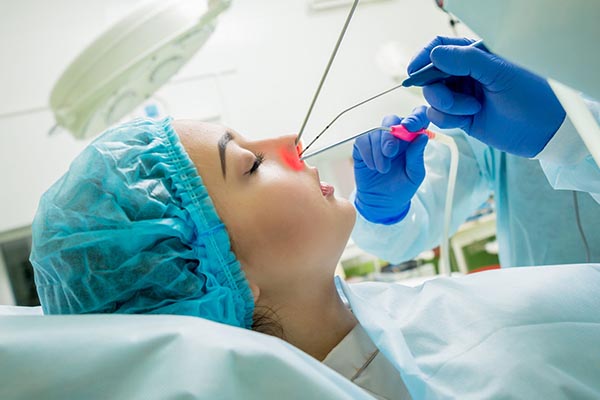

When other treatments fall short, sinus surgery treats blocked or inflamed sinuses. Some patients undergo balloon sinuplasty, a procedure that widens sinus passages with a small balloon. The recovery period matters, and the steps below outline what to expect after your procedure. Here is more information on post-operative care:
Keep Head Elevated
For the first few days, rest with your head raised above your heart. Propping yourself up with two or three pillows reduces swelling, and it eases pressure around your nose. This position also limits drainage that pools while you lie flat.
Sleep may be difficult after sinus surgery. Try to stay elevated during naps too, and keep extra pillows nearby. When you maintain this angle, you give the surgical area a calmer setting to heal.
Rinse With Saline Solution
Saline rinses clear away crusting and thin mucus inside your nose. Your surgeon will tell you when to start, and most patients begin a day or two after surgery. Gentle rinsing keeps the passages moist while tissue recovers. When you rinse, follow these steps :
- Use distilled or previously boiled water that has cooled
- Mix in the saline packet your clinic provides
- Lean over a sink and rinse one nostril at a time
- Breathe through your mouth during each rinse
Prepare the solution fresh each time, and clean your rinse bottle after every use. For some people, warm, not hot, water feels comfortable. These small habits lower the chance of irritation as you heal.
Avoid Blowing Your Nose
Blowing your nose creates pressure that disturbs healing tissue. For the first week, dab your nose gently instead of forcing air out. Sneezing happens, so open your mouth when you feel one coming.
You might notice light bleeding or drainage, and that is common in early recovery. Keep tissues handy, but resist the urge to clear congestion forcefully. If bleeding grows heavy or steady, call your clinic right away. Consistency during this stage protects the work your surgeon completed.
Avoid bending over or heavy lifting during the first week; these activities can increase pressure and disrupt healing. Rest as much as possible to allow your body to recover. While mild discomfort and swelling are expected, it’s wise to follow your aftercare instructions closely to minimize complications and make sure a smooth recovery.
Follow Surgeon’s Advice
Your surgeon gives instructions tailored to your specific procedure. Read the discharge notes carefully, and ask questions before you leave the office. Written guidance helps when you forget a detail at home. Watch for a few signs that warrant a quick phone call:
- High fever
- Heavy or bright red bleeding
- Worsening pain despite medication
- Sudden vision changes
Take medications on the schedule your surgeon set, and finish any prescribed antibiotics. Avoid heavy lifting and strenuous exercise until you get clearance. As every recovery differs, your instructions may not match a friend’s experience. Reach out whenever something feels off rather than waiting it out.
Stick to a light diet and drink plenty of water during the first days. Since rest supports your body, plan for a slower pace at home. Skipping steps rarely speeds things along, and it sometimes creates setbacks.
Schedule a Sinus Surgery Follow-up
A follow-up visit lets your provider check healing and remove any packing. Book this appointment before you leave, or call as soon as you settle in at home. If symptoms flare after hours or between appointments, quick care stays within reach. Reach out today when you need prompt, reliable attention during your recovery.
