
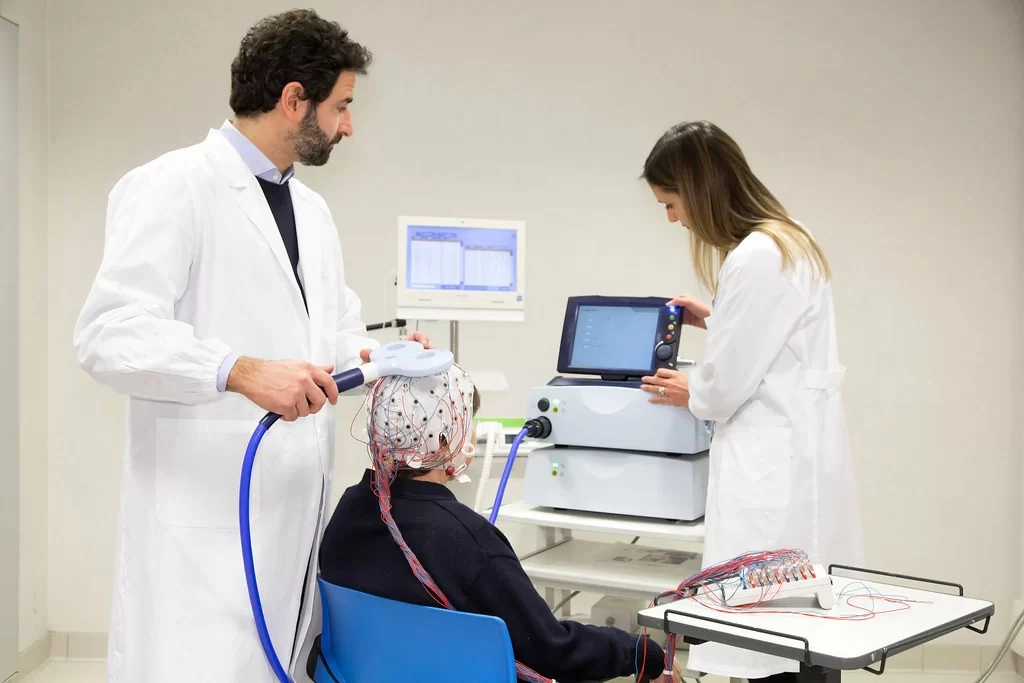

Anxiety and mood disorders affect many people. While some patients may find relief through antidepressants and psychotherapy, others do not respond adequately to these standard treatments. Transcranial magnetic stimulation, or TMS therapy, offers an alternative treatment option for those with treatment-resistant conditions. TMS targets specific brain activity rather than the whole body, and it functions differently from medication. Here is more information on what this therapy is and three key benefits it provides for mental health patients:
What Is TMS Therapy?
TMS therapy is a non-invasive treatment that uses magnetic fields to stimulate nerve cells in the brain. Unlike medication, TMS targets specific regions of the brain linked to mood regulation, which limits some of the common side effects associated with systemic drug treatments. A typical TMS course involves repeated sessions over several weeks. Each session lasts about 30 minutes, and because it requires no anesthesia or sedation, patients remain awake and alert throughout the process. Individuals can return to their daily activities quickly after an appointment.
How Does It Work?
During a TMS session, a technician places an electromagnetic coil against the patient’s scalp. The coil delivers short magnetic pulses to targeted areas of the brain, often the prefrontal cortex, which generates small electric currents that activate underperforming nerve cells. As this stimulation repeats over time, it helps restore healthy activity in brain regions tied to mood and emotion, and patients may notice gradual improvements.
The magnetic pulses produce a light tapping sensation on the scalp, and patients may hear a clicking sound as the machine operates. A standard treatment plan spans six weeks. Sessions are scheduled five days per week, although the exact protocol depends on the diagnosis and the treating psychiatrist’s recommendations.
Who Does It Help?
TMS therapy helps people with anxiety and mood disorders, particularly those who have not responded to other treatments. Doctors may recommend it for treatment-resistant depression; this condition is characterized by symptoms that persist despite trying two or more medications. Because some individuals cannot tolerate the side effects of antidepressants, TMS provides a viable alternative.
People with generalized anxiety disorder, panic disorder, and related conditions potentially find relief through TMS, and they may experience meaningful improvements after completing a full treatment plan. A qualified psychiatrist evaluates each patient to determine suitability. This evaluation includes a thorough review of medical history, current symptoms, and previous treatments, which allows the psychiatrist to develop an appropriate, individualized care plan.
What Are the Benefits?
TMS therapy provides several advantages for people managing anxiety and mood disorders. Three benefits include:
- Minimal side effects. TMS does not cause the systemic side effects linked to some medications.
- Non-invasive and drug-free. It requires no surgery, needles, or medication.
- Results for treatment-resistant cases. The procedure can reduce symptoms in patients who have not improved with medication.
Each benefit contributes to a treatment experience that fits into a patient’s daily routine.
Seek Professional Help Now
TMS therapy gives people with anxiety and mood disorders a non-invasive, drug-free treatment option. It works by stimulating brain regions tied to mood, and it helps those who haven’t found relief with medication. If you struggle with anxiety or a mood disorder, speak with a psychiatrist about whether TMS therapy fits your needs. A professional evaluation will help you find a treatment that works for you.
