
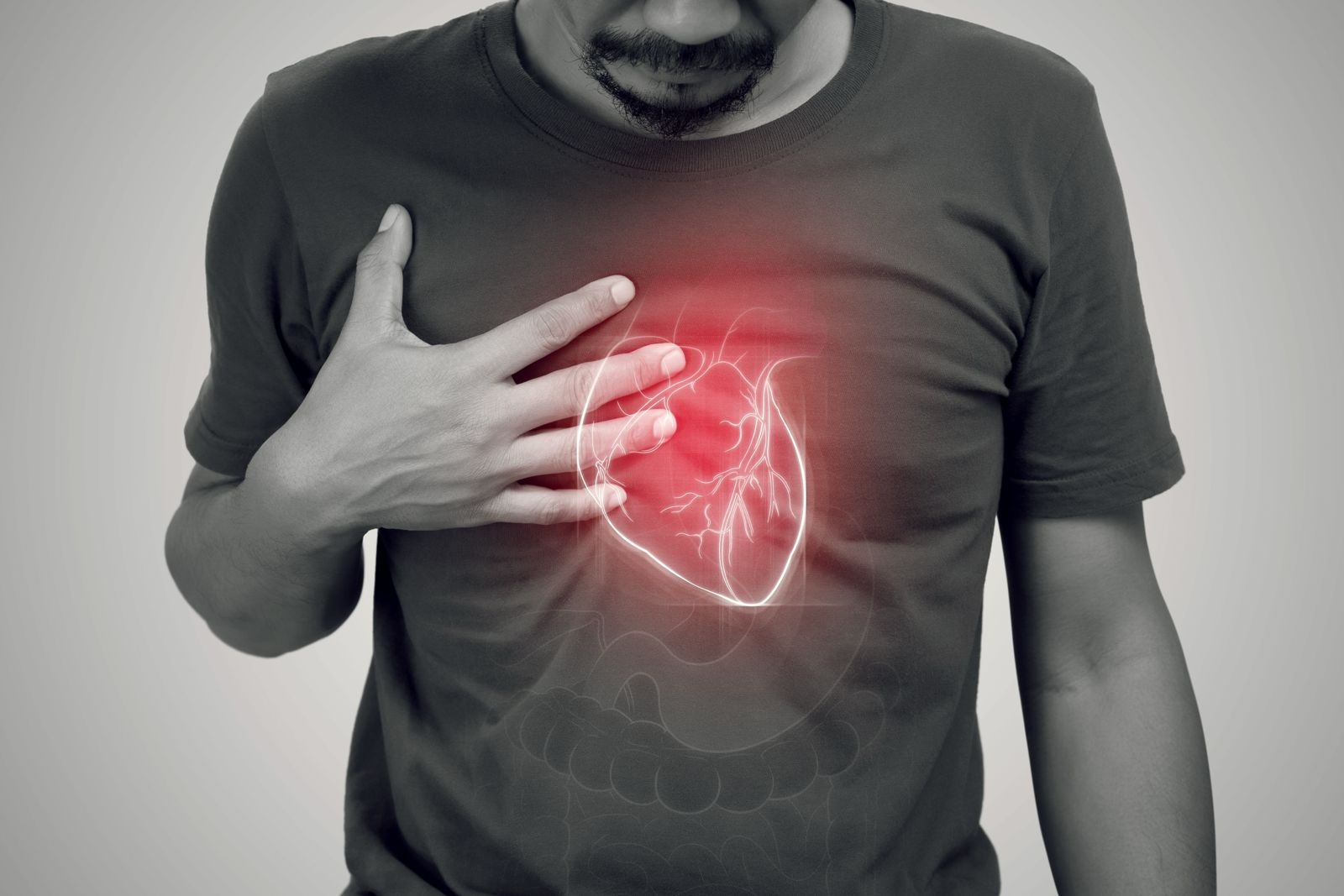

Heart disease is one of the leading causes of death worldwide, affecting millions of people each year. The term refers to several conditions that impact the heart and blood vessels, including coronary artery disease, heart failure, arrhythmias, and heart valve disorders. While some forms of heart disease develop due to genetics, many cases can be prevented through healthy lifestyle choices.
Learning about the causes, warning signs, and preventive measures can help protect your heart and improve your overall health.
What Is Heart Disease?
Heart disease is a broad term used to describe conditions that interfere with the heart’s ability to function properly. The most common type is coronary artery disease (CAD), which occurs when plaque builds up inside the arteries, reducing blood flow to the heart muscle.
If left untreated, heart disease can lead to serious complications such as heart attacks, strokes, and heart failure.
Common Risk Factors
Several factors increase the risk of developing heart disease. Some cannot be changed, while others can be managed through healthy habits.
High Blood Pressure
High blood pressure forces the heart to work harder than normal, increasing the risk of heart attack, stroke, and heart failure.
High Cholesterol
Excess cholesterol can build up inside the arteries, forming plaque that restricts blood flow.
Diabetes
People with diabetes have a greater risk of developing heart disease because high blood sugar can damage blood vessels over time.
Smoking
Smoking damages blood vessels, reduces oxygen in the blood, and raises blood pressure, making it one of the leading preventable causes of heart disease.
Obesity
Being overweight places additional strain on the heart and increases the likelihood of high blood pressure, diabetes, and high cholesterol.
Physical Inactivity
A sedentary lifestyle weakens the heart and contributes to several cardiovascular risk factors.
Family History
Individuals with close relatives who have experienced heart disease may have a higher risk, especially if the condition developed at an early age.
Symptoms of Heart Disease
Symptoms vary depending on the type and severity of heart disease.
Common signs include:
- Chest pain or pressure
- Shortness of breath
- Fatigue
- Dizziness
- Irregular heartbeat
- Pain in the neck, jaw, shoulder, or arm
- Swelling in the legs, ankles, or feet
Some people, particularly women and individuals with diabetes, may experience less obvious symptoms such as nausea, indigestion, or unusual fatigue.
How to Prevent Heart Disease
Although not every case can be prevented, healthy lifestyle choices significantly reduce the risk.
Eat a Heart-Healthy Diet
Focus on nutrient-rich foods, including:
- Fruits
- Vegetables
- Whole grains
- Lean proteins
- Fatty fish rich in omega-3 fatty acids
- Nuts and seeds
Limit foods high in saturated fats, trans fats, sodium, and added sugars.
Exercise Regularly
Aim for at least 150 minutes of moderate-intensity exercise each week. Activities such as walking, cycling, swimming, and jogging improve heart health and circulation.
Maintain a Healthy Weight
Losing excess weight helps lower blood pressure, cholesterol levels, and the risk of type 2 diabetes.
Quit Smoking
Stopping smoking is one of the most effective ways to protect your heart. Within months of quitting, circulation begins to improve, and long-term cardiovascular risks decrease.
Manage Stress
Chronic stress may contribute to high blood pressure and unhealthy habits such as overeating or smoking.
Helpful stress-management techniques include:
- Deep breathing
- Meditation
- Yoga
- Regular physical activity
- Spending time with family and friends
Importance of Regular Health Screenings
Routine medical checkups can identify risk factors before they become serious.
Your healthcare provider may recommend monitoring:
- Blood pressure
- Cholesterol levels
- Blood sugar
- Body weight
- Body mass index (BMI)
Early detection allows for timely treatment and better long-term outcomes.
When to Seek Emergency Care
Call emergency medical services immediately if you experience:
- Severe chest pain
- Sudden shortness of breath
- Pain spreading to the arm, jaw, or back
- Cold sweats
- Fainting
- Sudden dizziness
Prompt treatment during a heart attack can save lives and reduce heart damage.
Conclusion
Heart disease remains a major global health concern, but many risk factors are within your control. Eating a nutritious diet, exercising regularly, avoiding tobacco, managing stress, and attending routine health screenings can significantly reduce your risk.
Understanding the warning signs and seeking prompt medical care when symptoms appear are equally important. By making heart-healthy choices every day, you can protect your cardiovascular health and enjoy a longer, healthier, and more active life.
