
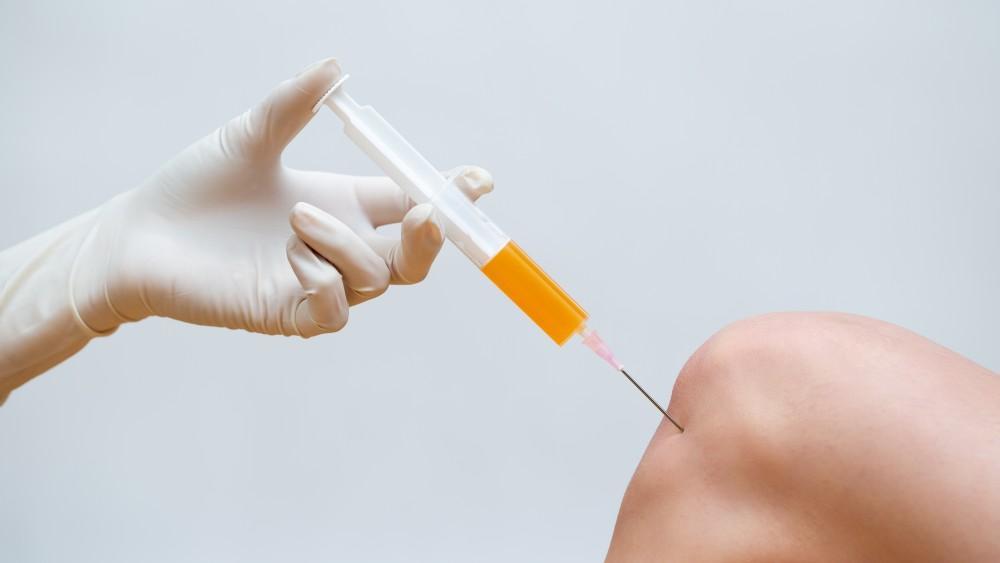

Joint pain slows you down, and finding relief matters. Platelet rich plasma (PRP) uses your own blood to support your body’s repair process. A podiatrist draws a small sample, spins it in a machine, and separates the platelets. Here is more information on this treatment and how it works:
Using Your Own Platelets
Platelet rich plasma treatment starts with a simple blood draw from your arm. The sample spins in a centrifuge, and this step separates platelets from other blood cells. Since the treatment relies on your own biology, it uses no synthetic additives. Your provider handles each step under careful hygiene standards.
Platelets carry proteins that play a role in tissue repair. The concentration process boosts their number, and that gives your joint a richer supply. This precise approach keeps the treatment focused where you feel discomfort. When your provider injects the plasma, they target the exact painful area.
Introducing Growth Factor Proteins
Platelets release growth factor proteins when activated. These proteins signal nearby cells, and the signals guide the body’s natural repair activity. Since the plasma comes from your own blood, your system recognizes it. Your provider explains this process before your appointment.
Growth factors influence several repair steps inside a joint. They attract cells, and they support the formation of new tissue. The exact response varies from person to person. When these proteins reach a worn area, they begin their work.
Platelet-rich plasma therapy is a helpful solution, and it leverages the body’s own healing mechanisms. It is a simple, minimally invasive procedure used to stimulate regeneration in targeted areas. While every individual responds differently to PRP, many experience improvements in function and a reduction in discomfort, making it a promising option for long-term relief.
Stimulating Tissue Repair
Damaged joint tissue typically heals slowly on its own. PRP delivers a dense supply of platelets, and this supply may support the repair environment. Your provider places the injection directly into the affected joint, such as your ankle. Results differ based on your health and the joint involved. Several factors shape how your body responds to treatment:
- The severity of your ankle or foot condition
- The patient’s overall health and activity level
- The specific joint receiving the injection
- The provider’s technique and experience
Accelerating Healing
Recovery time varies with any joint treatment. PRP works alongside your body’s own timeline, and it does not force a set schedule. Your podiatrist gives detailed aftercare steps for your comfort. Following these steps supports a smoother recovery.
These practical steps keep your recovery on track. Your provider stays available for questions between visits. Since clear communication matters, you receive written instructions too. This support helps you stay informed throughout the process. Simple habits may help during your recovery period:
- Rest the treated joint as directed
- Avoid strenuous activity for the advised time
- Attend follow-up visits as scheduled
- Report any unusual symptoms right away
Try Platelet Rich Plasma Treatment
PRP offers a natural approach that draws on your own platelets. Results depend on your health, your joint, and your provider’s expertise. A consultation gives you honest, specific answers about your options. Book a consultation with a podiatry clinic today; reach out now and take the first step.
